
Master embroidery techniques with realistic stitches, color theory, and design transfer to create intricate wearable art
Immerse yourself in the colorful world of embroidery and unleash your creative potential with a comprehensive specialization course designed to teach you various techniques and styles. Explore the fundamentals of embroidery, from selecting the perfect materials to mastering basic stitches. With expert guidance from talented instructors such as Emillie Ferris, Yulia Sherback, and Chloe Giordano, learn the art of freehand needle painting and realistic embroidery. Develop skills to bring your ideas to life, focusing on color theory, thread selection, and transferring designs to fabric.
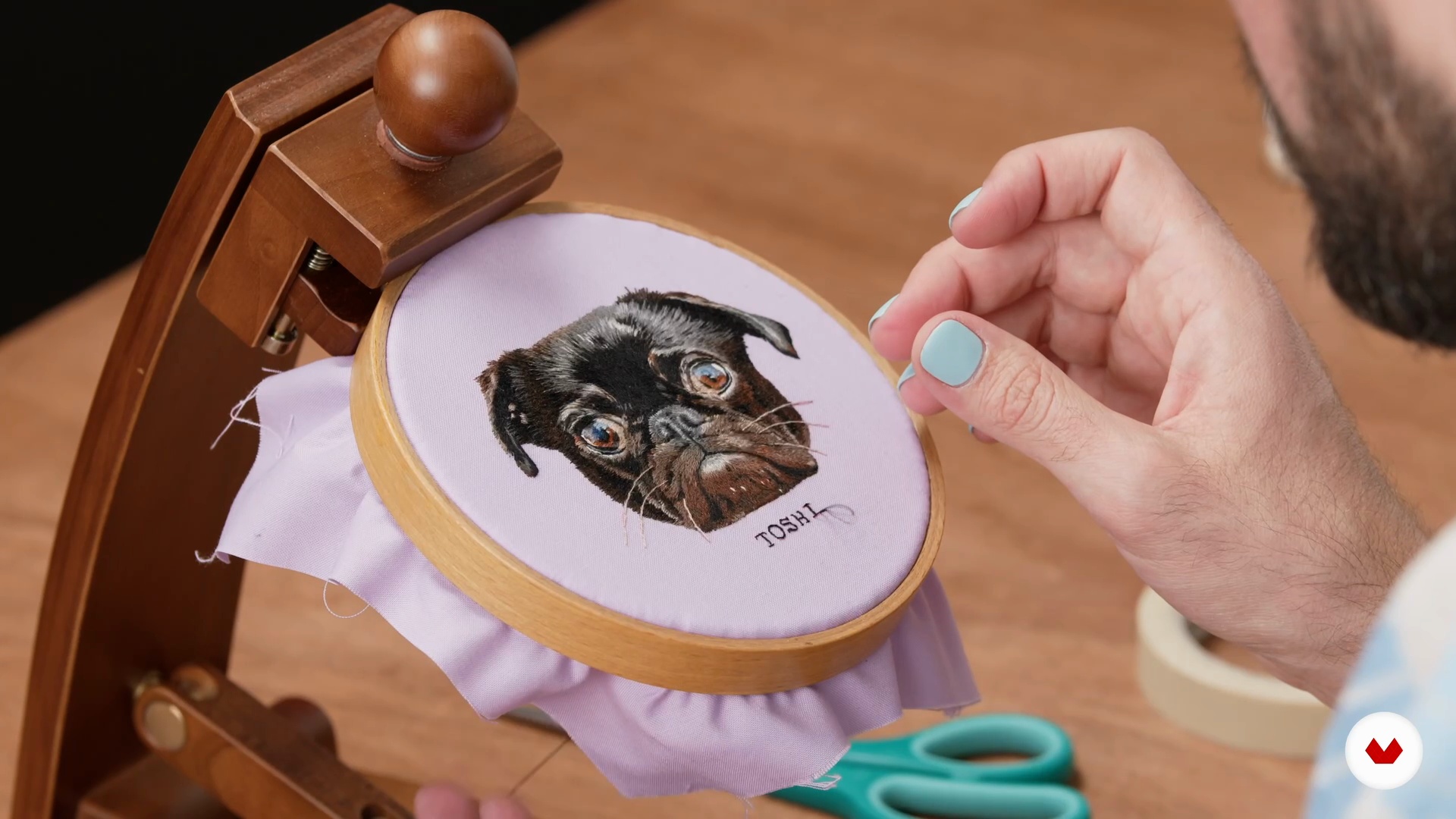
The journey continues with specialized modules on botanical embroidery, vibrant insect designs, and expressive lettering. Defne Güntürkün and Cristin Morgan offer information on floral motifs and embroidered wearable patches. Meanwhile, Michelle Staub, Nneka Jones, and Santo Cielo delve into realistic pet portraiture and storytelling through color. Whether you want to create intricate jewelry, animated pet portraits, or stitch the beauty of wildlife, each lesson provides an invaluable resource for crafters of all levels. Expand your embroidery repertoire and let your creativity flourish in this inspiring, hands-on experience.
What will you learn in this specialization?
 1
1Introduction
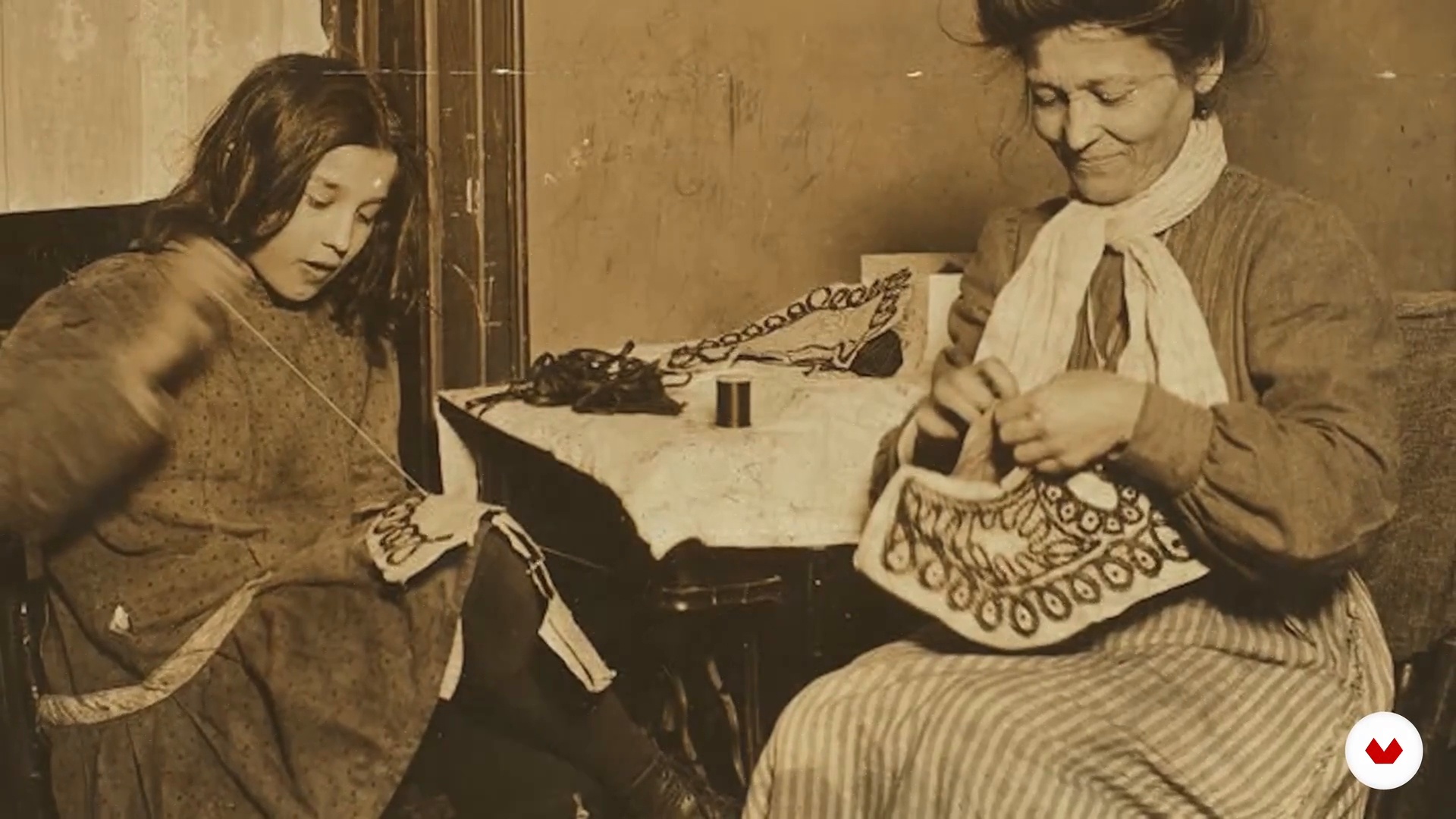
Discover embroidery’s evolution from an ancient craft to an art form inspired by William Morris’s nature-inspired patterns. Reflect on its meditative qualities and personal storytelling, connecting tradition and creativity to create meaningful, expressive works.
2m
 2
2Influences / Defne Güntürkün
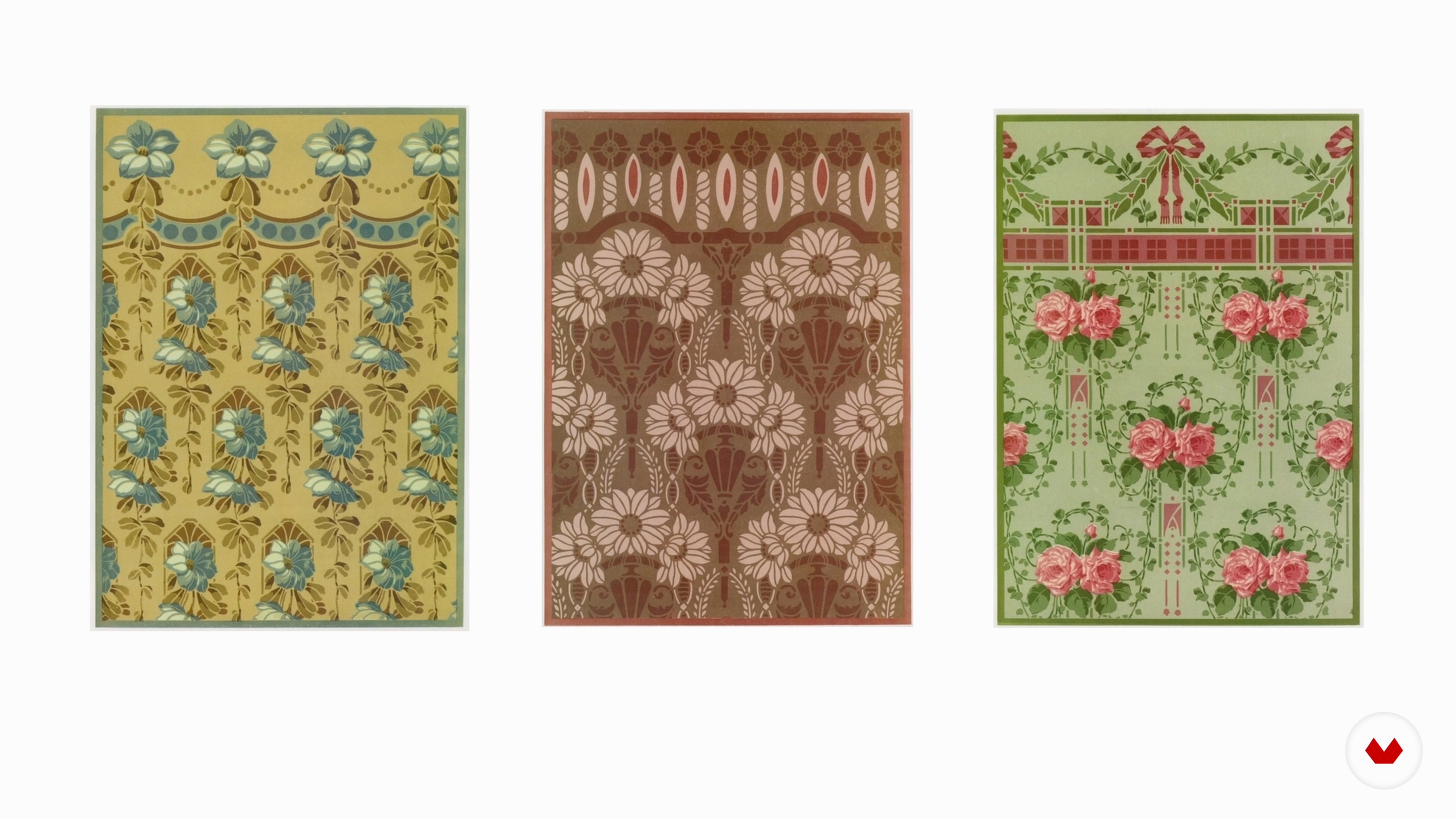
In this lesson, you’ll explore how Defne Güntürkün´s textile and fashion design background connects with his love for art history and romantic influences. Inspired by artists like William Morris and Musa, he reveals how their timeless patterns resonate with his creative vision.
1m
 3
3Influences / Ciara (Pretty Strange)
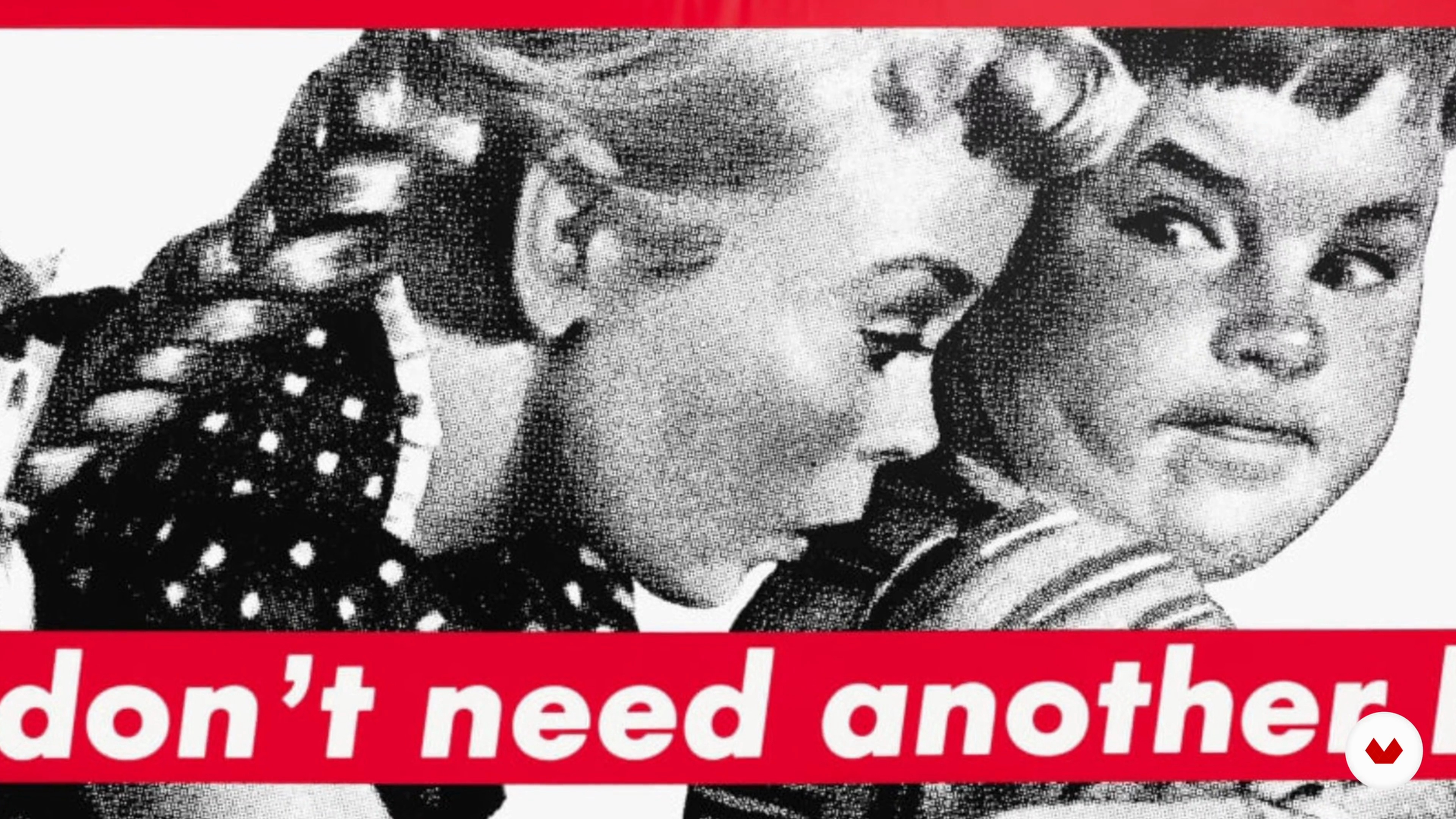
Get ready to explore the artistic influences behind Ciara’s bold and impactful style. Drawing inspiration from Ginny Holzer’s conceptual statements, Barbara Kruger’s sharp imagery and typography, and LaQuinna’s colorful, joyful designs, he unveils how each artist shapes his use of lettering and words. Discover the power of art to create compelling and meaningful messages.
1m
 4
4Influences / Julia Sherback
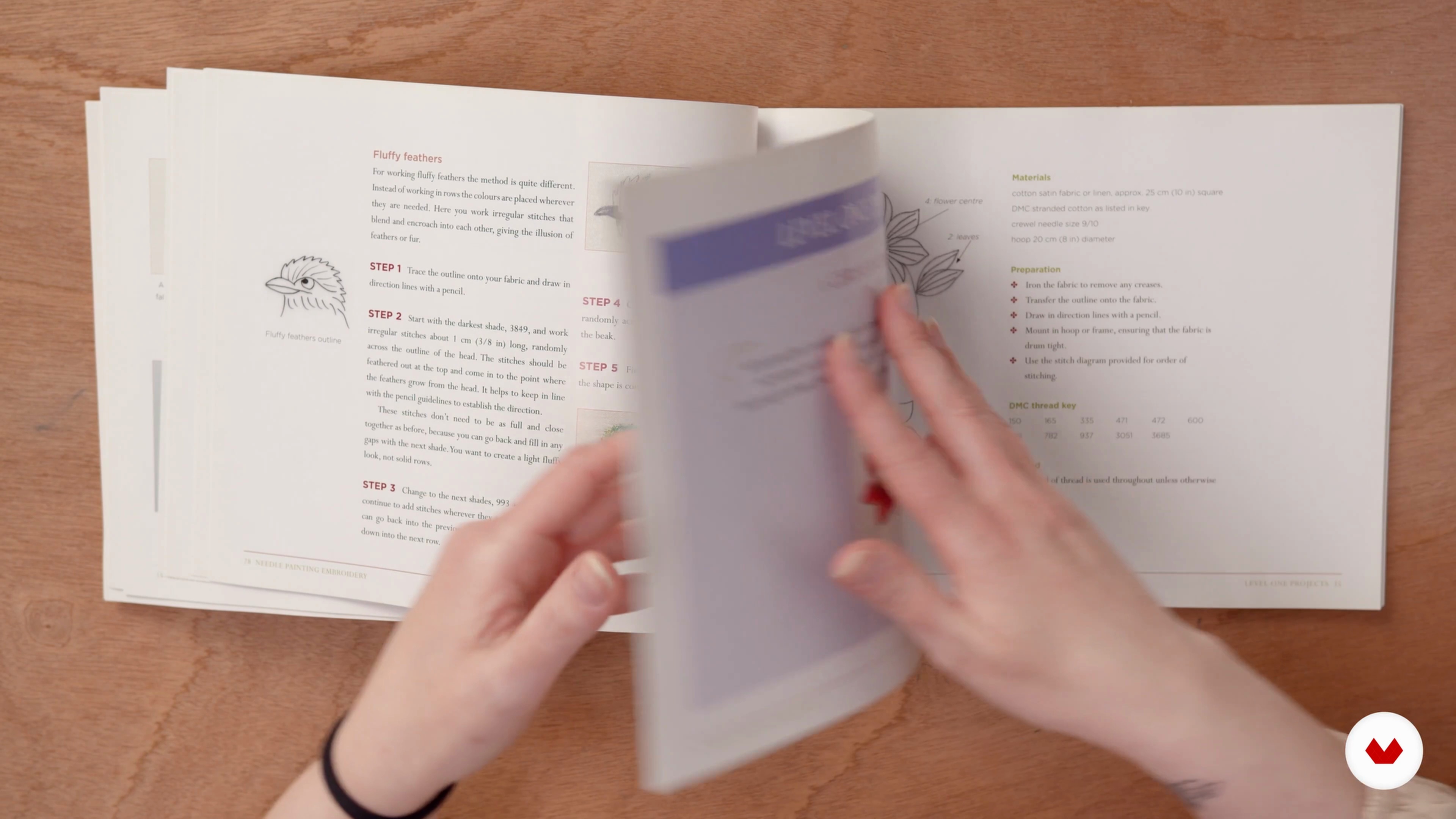
Yulia Sherbak introduces the inspiring work of Trish Burr, an embroidery artist known for her exquisite flora, fauna, and portrait designs. Through her book Needle Painting Embroidery: Fresh Ideas for Beginners, you’ll explore step-by-step projects that build skills and showcase beautiful shading techniques—a perfect resource for beginners and those looking to refine their embroidery.
2m
 5
5Influences / Chloe Giordano
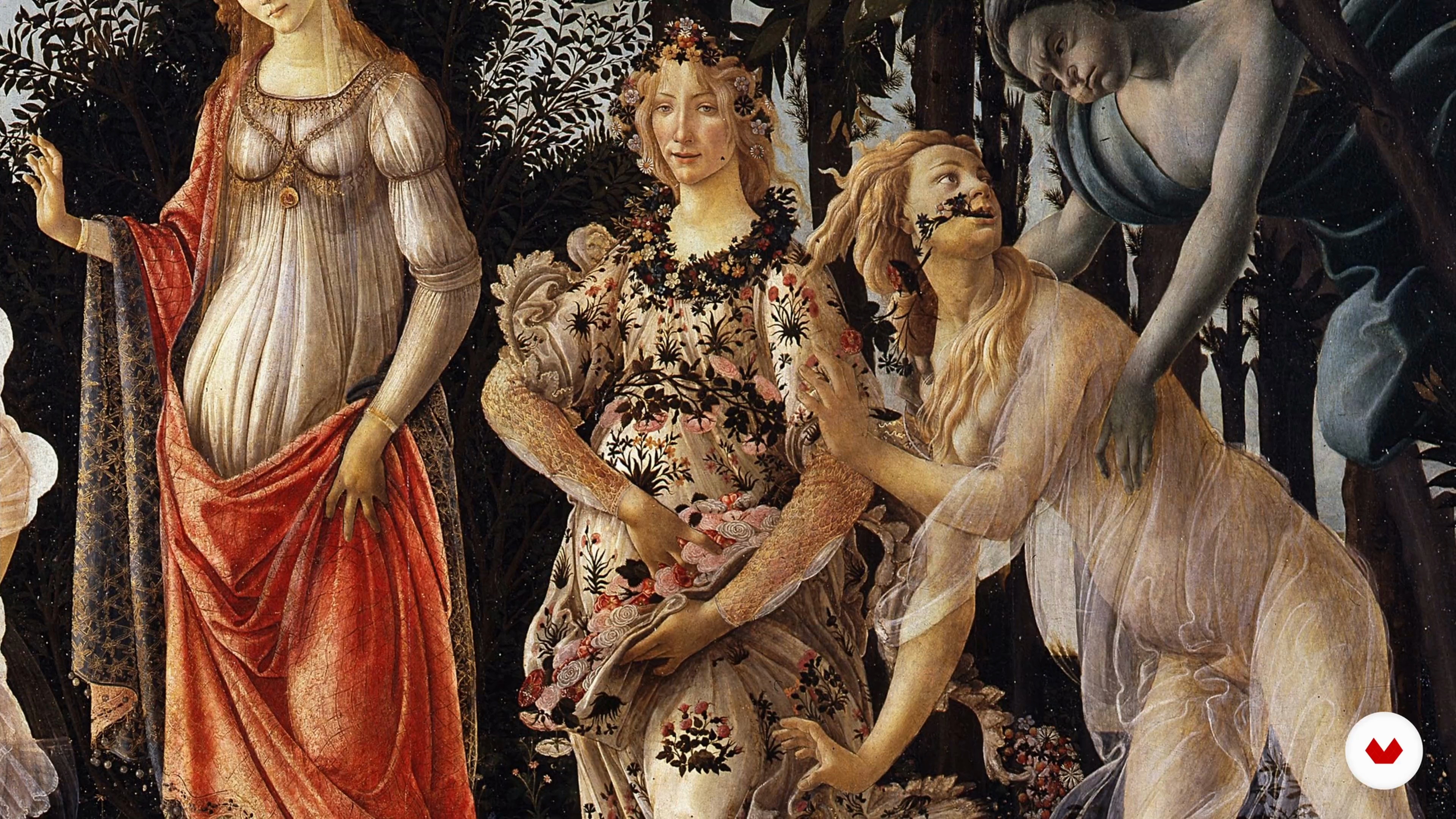
Chloe Giordano finds inspiration in Botticelli’s Primavera, using its floral details to influence his embroidery on dark fabrics. He also draws from the shared visual style of Renaissance artists like Fra Angelico and Filippo Lippi.
 6
6Influences / Nneka Jones
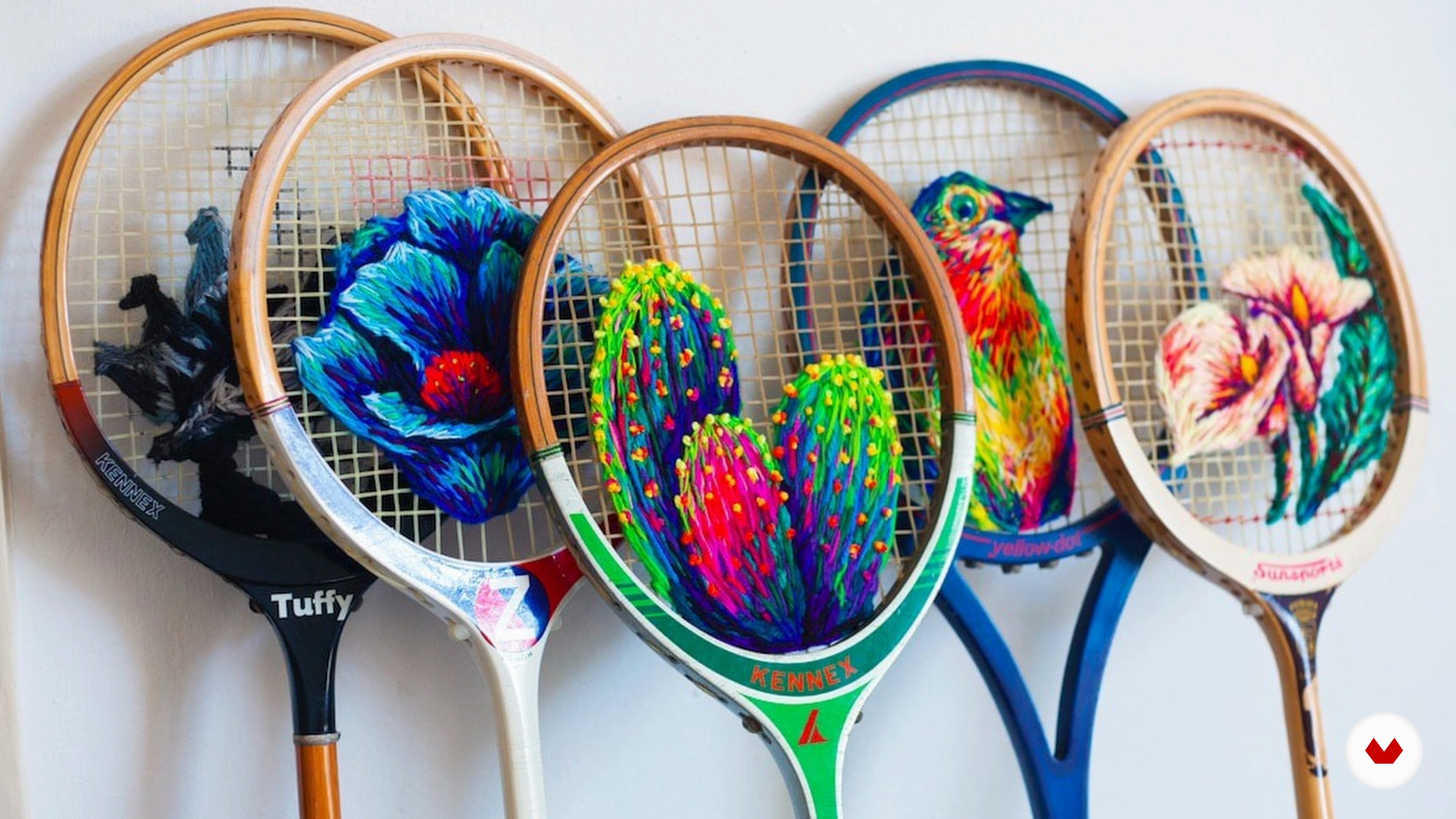
Artists like Lisa Butler, Danielle Clough, and Titus Stephan have profoundly shaped Nneka Jones’s creative vision. From Butler’s vibrant quilts to Clough’s textured experiments and Stephan’s activist storytelling, their work inspires him to blend technique with meaningful narratives in his art.
3m
 1
1Introduction
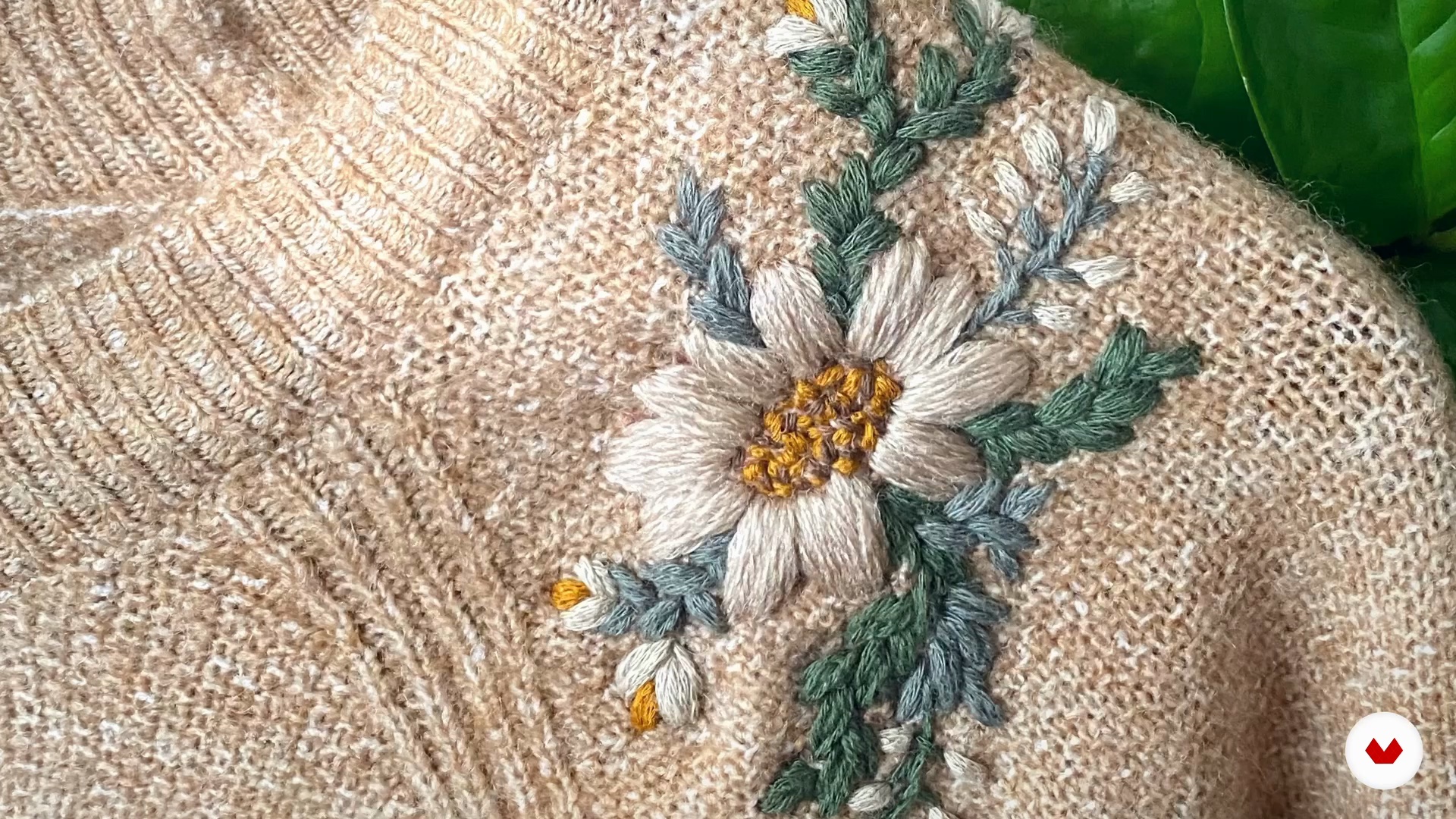
Materials are the foundation of embroidery, where threads, needles, and fabrics combine to create art. From vibrant modern threads to finely woven cotton, each choice shapes texture and depth. Precise tools like sharp needles enhance detail, allowing you to craft pieces that carry on this timeless tradition.
2m
 2
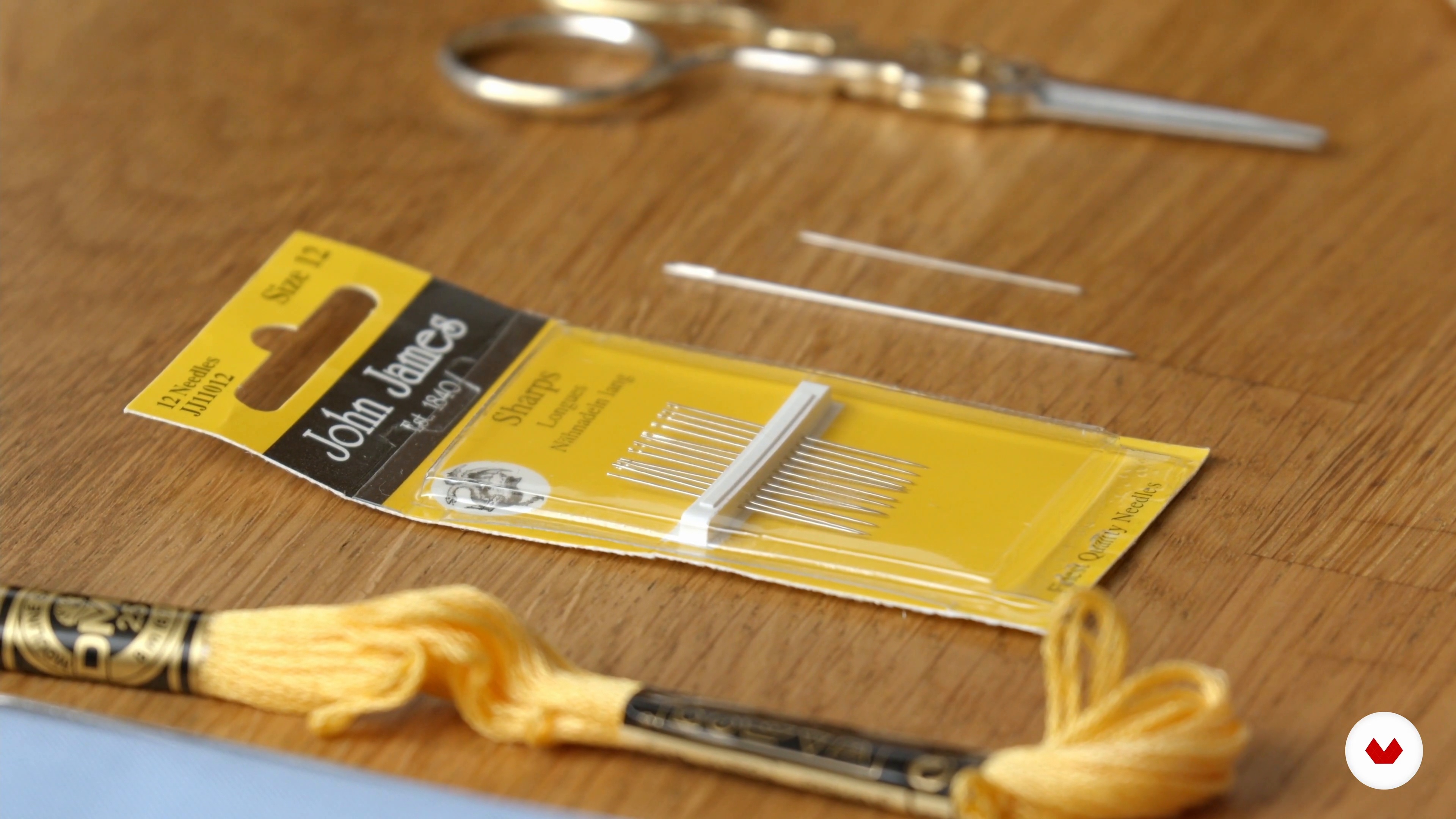
2Materials | Emillie Ferris
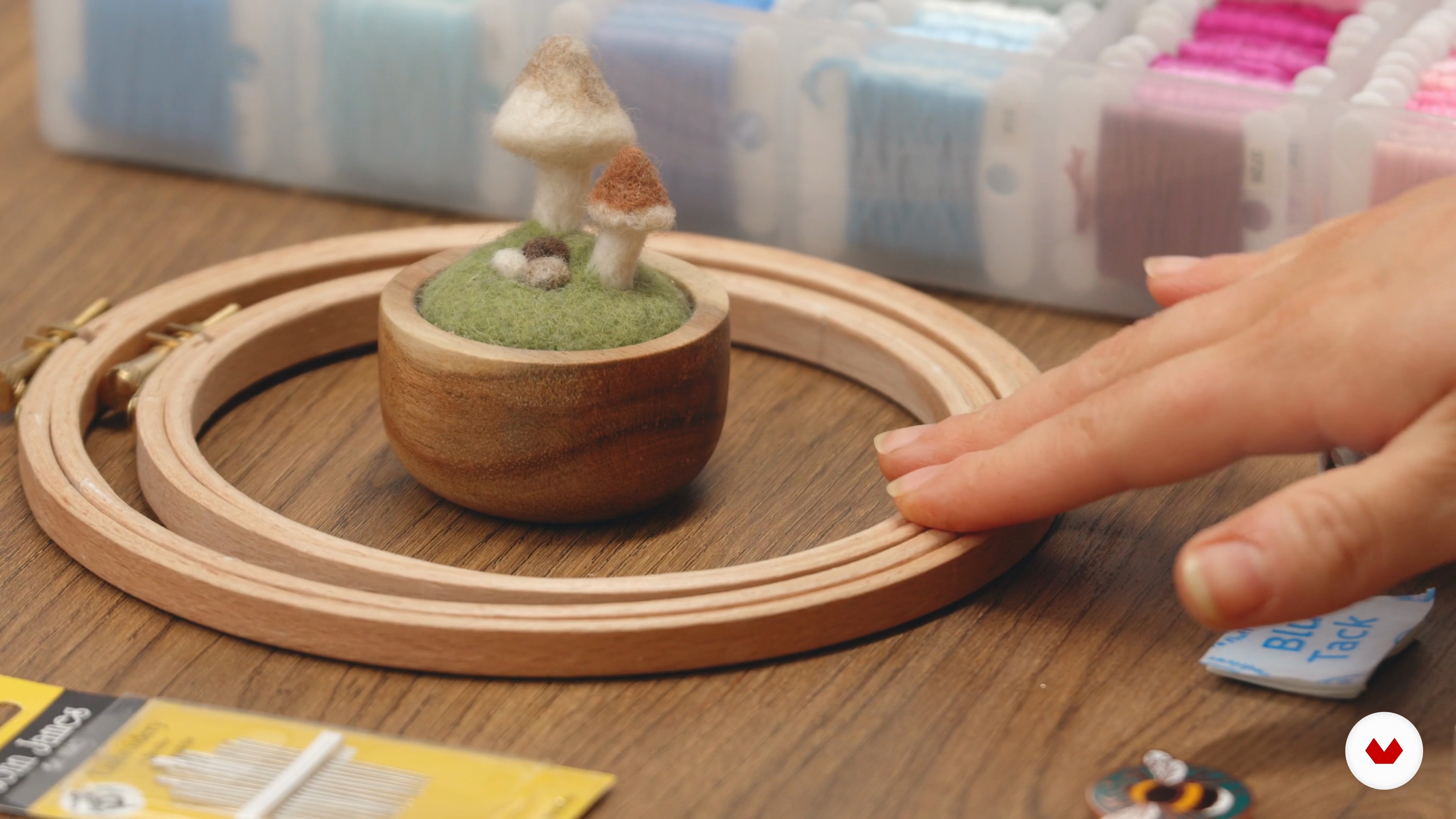
In this lesson, Emillie Ferris will introduce you to his favorite tools and materials. You'll learn to choose the right embroidery floss, understand the advantages of wooden hoops, and prepare yourself to do great work—even if you're a beginner. Discover practical tips for selecting fabrics, needles, and more.
9m
 3
3Materials | Chloe Giordano
Chloe Giordano shares his go-to materials and techniques for embroidery. From selecting the perfect Gutermann thread to choosing the most miniature needles for precise stitches, you'll explore how to create detailed, beautiful designs.
6m
 4
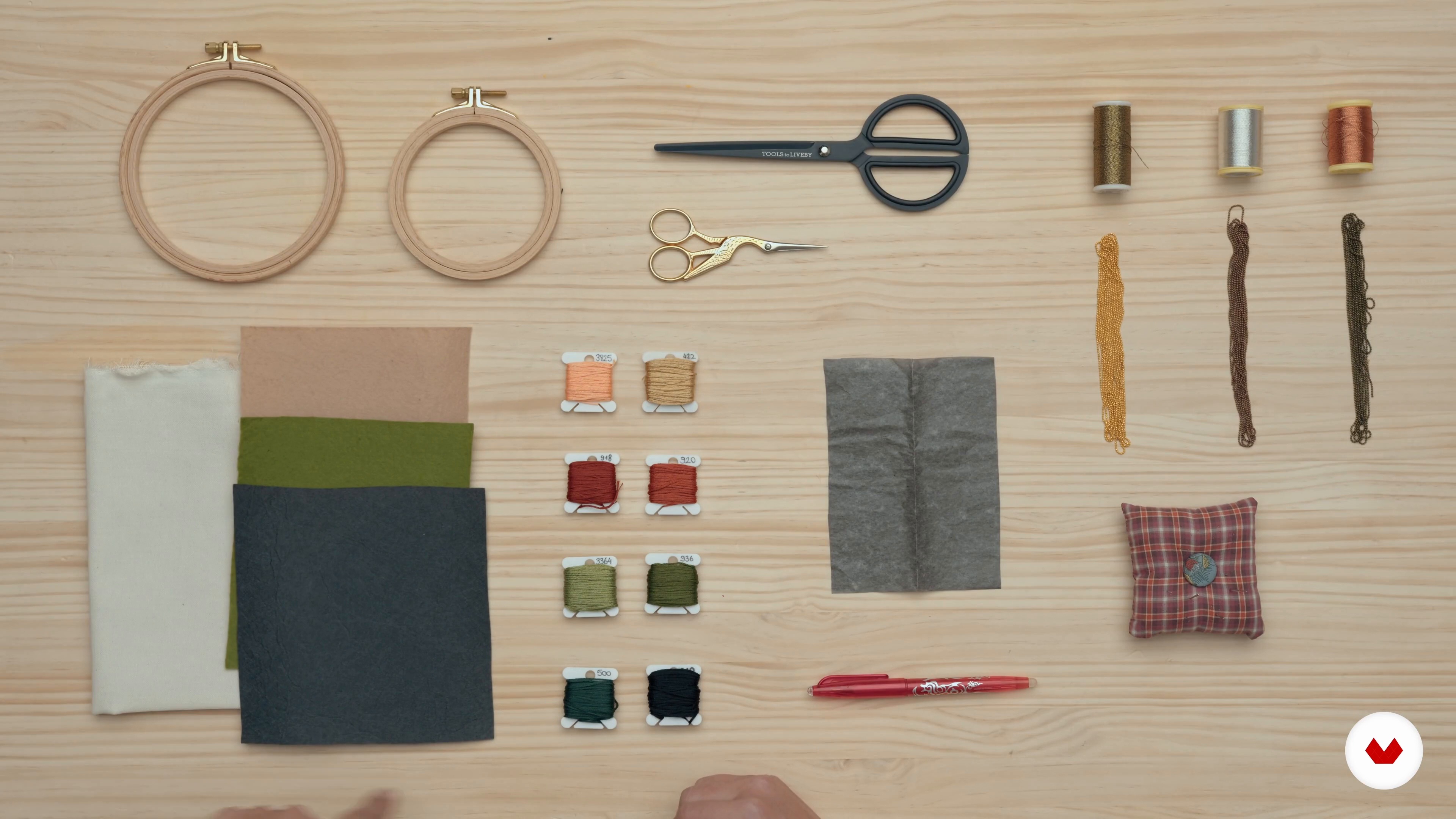
4Materials | Defne Güntürkün
Discover alongside Defne Güntürkün the materials that will bring your embroidery projects to life! From versatile six-strand threads and felt fabric perfect for patchwork to sharp scissors and handy pincushions, you'll learn how each tool contributes to creating stunning designs. With tips on hoops, tracing techniques, and even decorative touches, this lesson sets you up for creative success. Patience is the key to magic!
4m
 1
1Introduction
Embroidery stitches may seem simple, but each has a unique character and purpose. From the versatile straight stitch to the intricate French knot and the flowing long and short stitch, these techniques add texture, color, and depth to your creations. Embroidery becomes more than art—it’s a meditative practice that connects you to tradition while expressing your individuality.
2m
 2
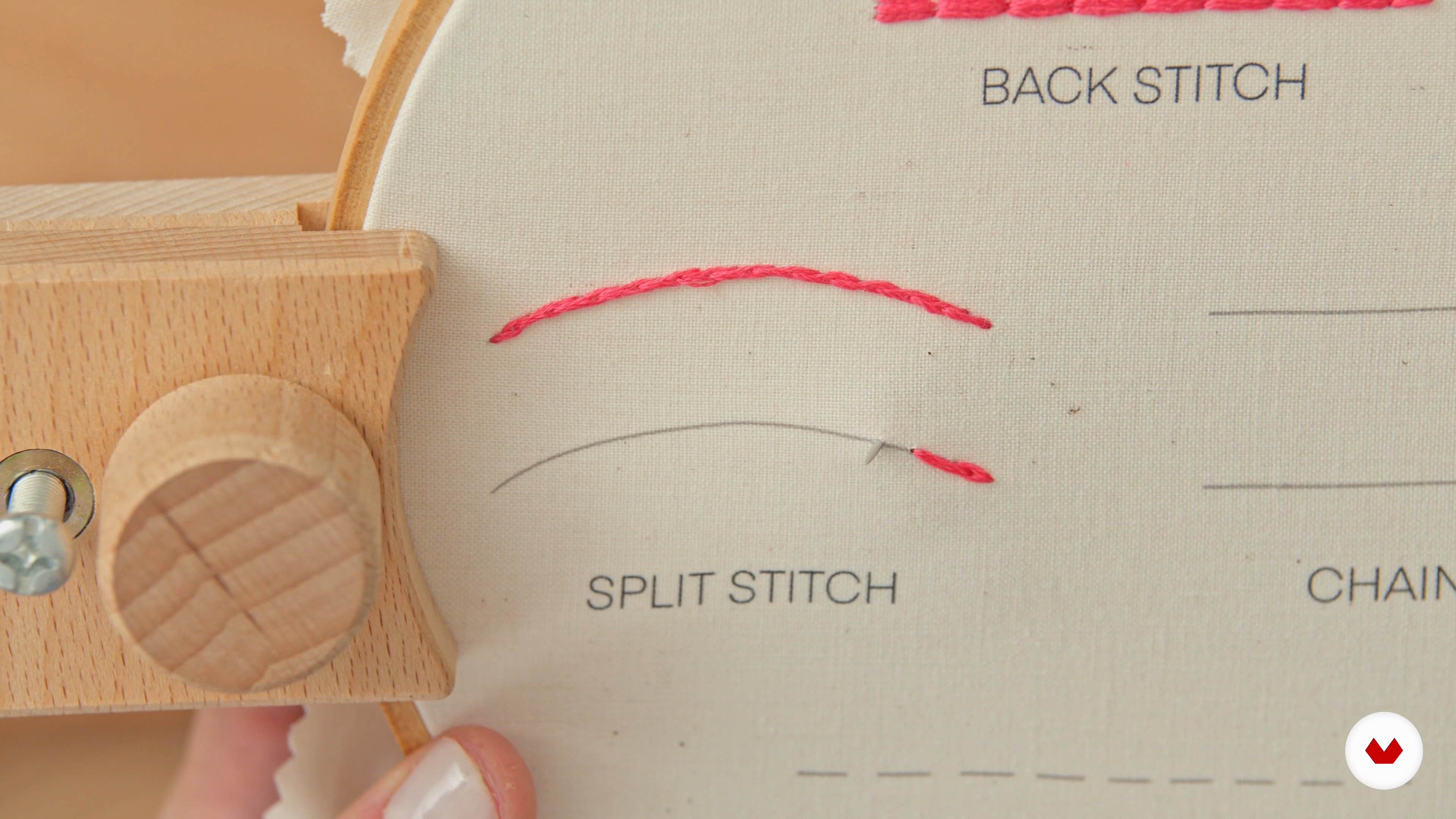
2Basic Embroidery Stitches 1
With Cristin Morgan’s guidance, you’ll master foundational embroidery stitches like back stitch, chain stitch, and split stitch. Learn how to create neat lines, fill shapes, and add texture, all while experimenting to develop your unique style. Each stitch is a building block for your creative expression.
17m
 3
3Basic Embroidery Stitches 2
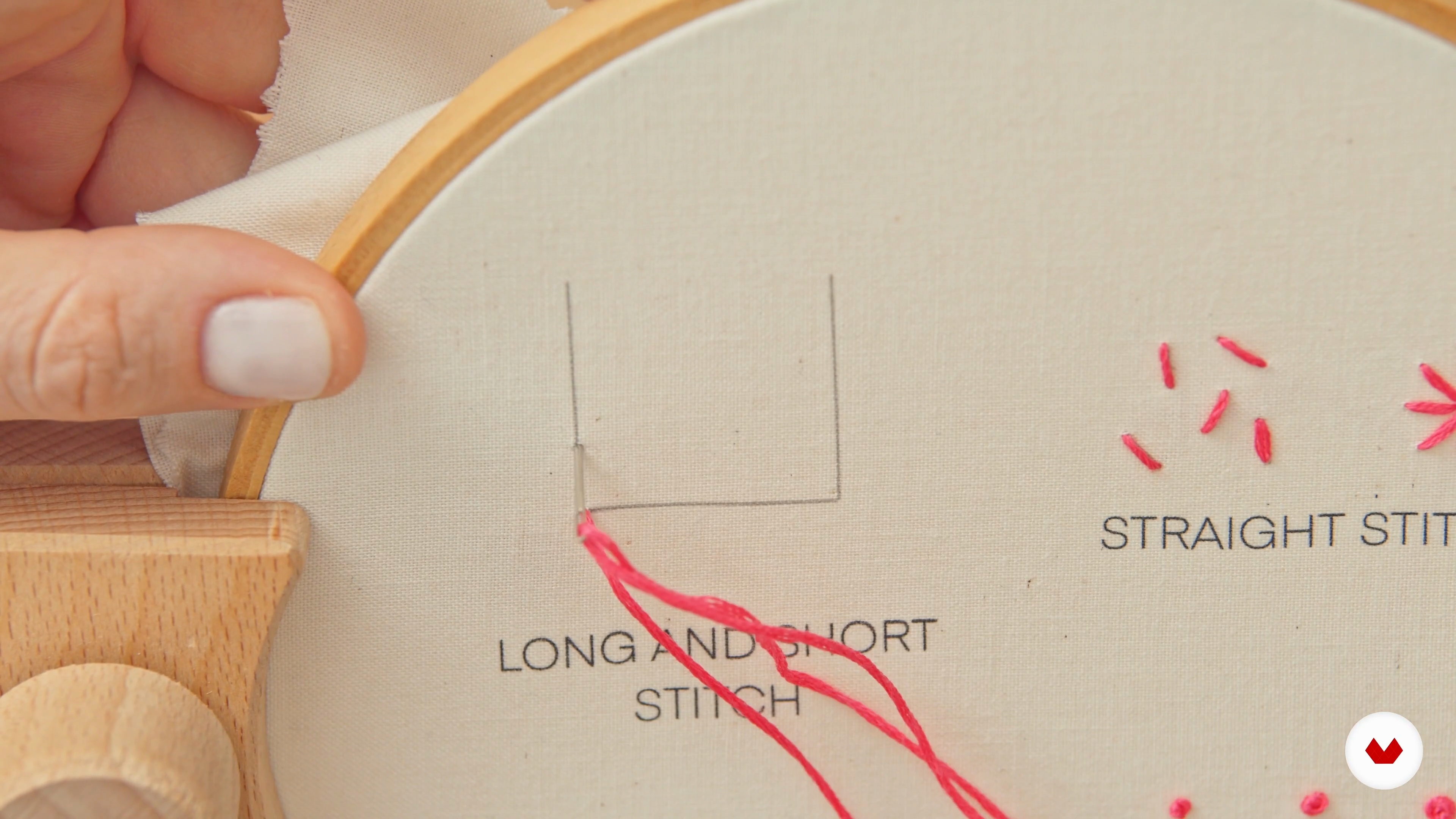
In this lesson, Cristin Morgan introduces the final set of stitches that bring texture and detail to embroidery. You’ll learn the straight stitch, perfect for adding confetti-like effects, and the French knot, ideal for creating botanical details and fluffy textures. Finally, the long and short stitches will show you how to blend colors seamlessly, opening new possibilities for expressive designs.
10m
 4
4Hoop and Practice Stitching
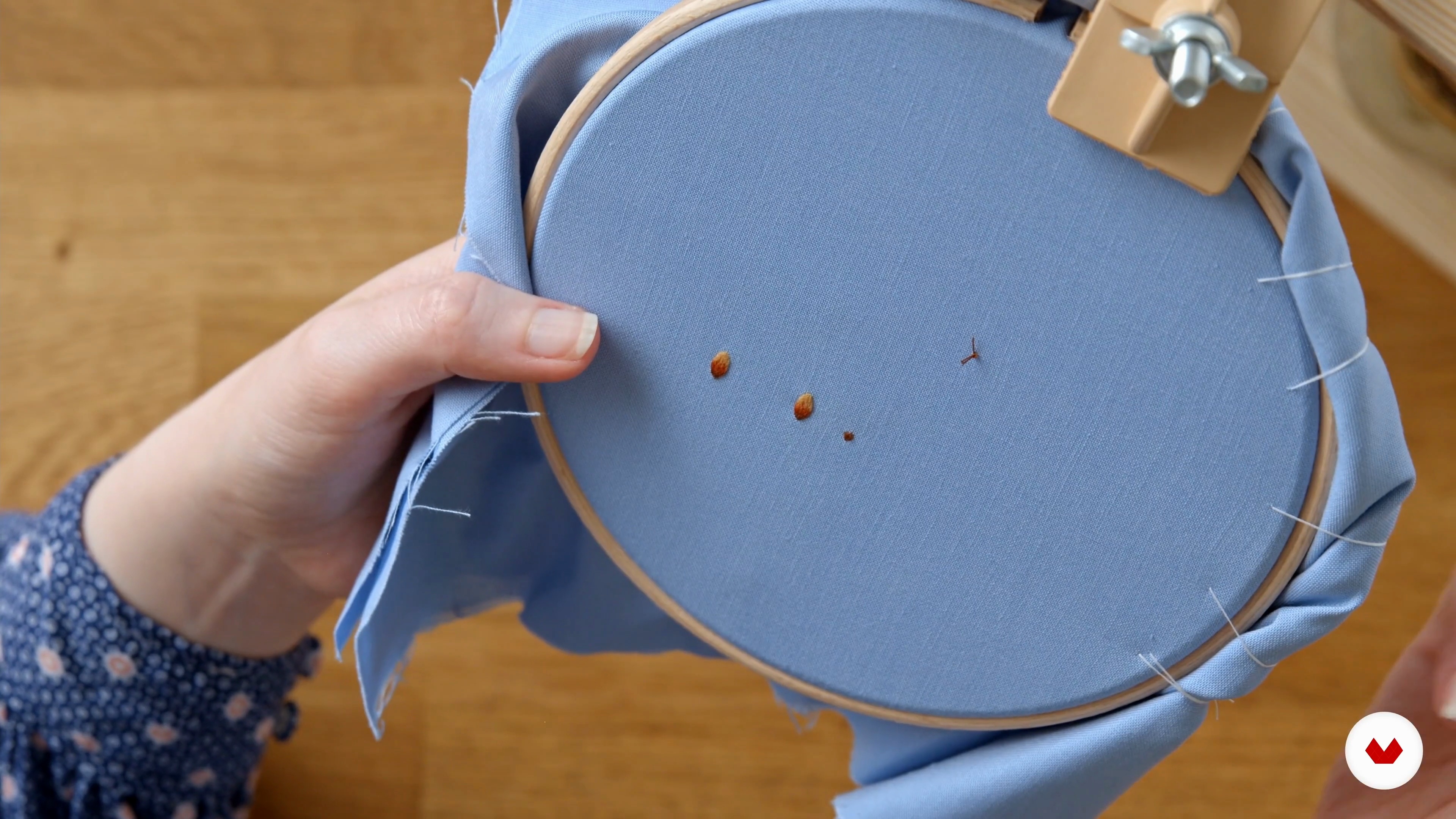
In this lesson, Chloe Giordano introduces the final set of stitches that bring texture and detail to embroidery. You’ll learn the straight stitch, perfect for adding confetti-like effects, and the French knot, ideal for creating botanical details and fluffy textures. Finally, the long and short stitches will show you how to blend colors seamlessly, opening new possibilities for expressive designs. Experiment and make each stitch your own!
10m
 5
5Embroidery Stitches 1
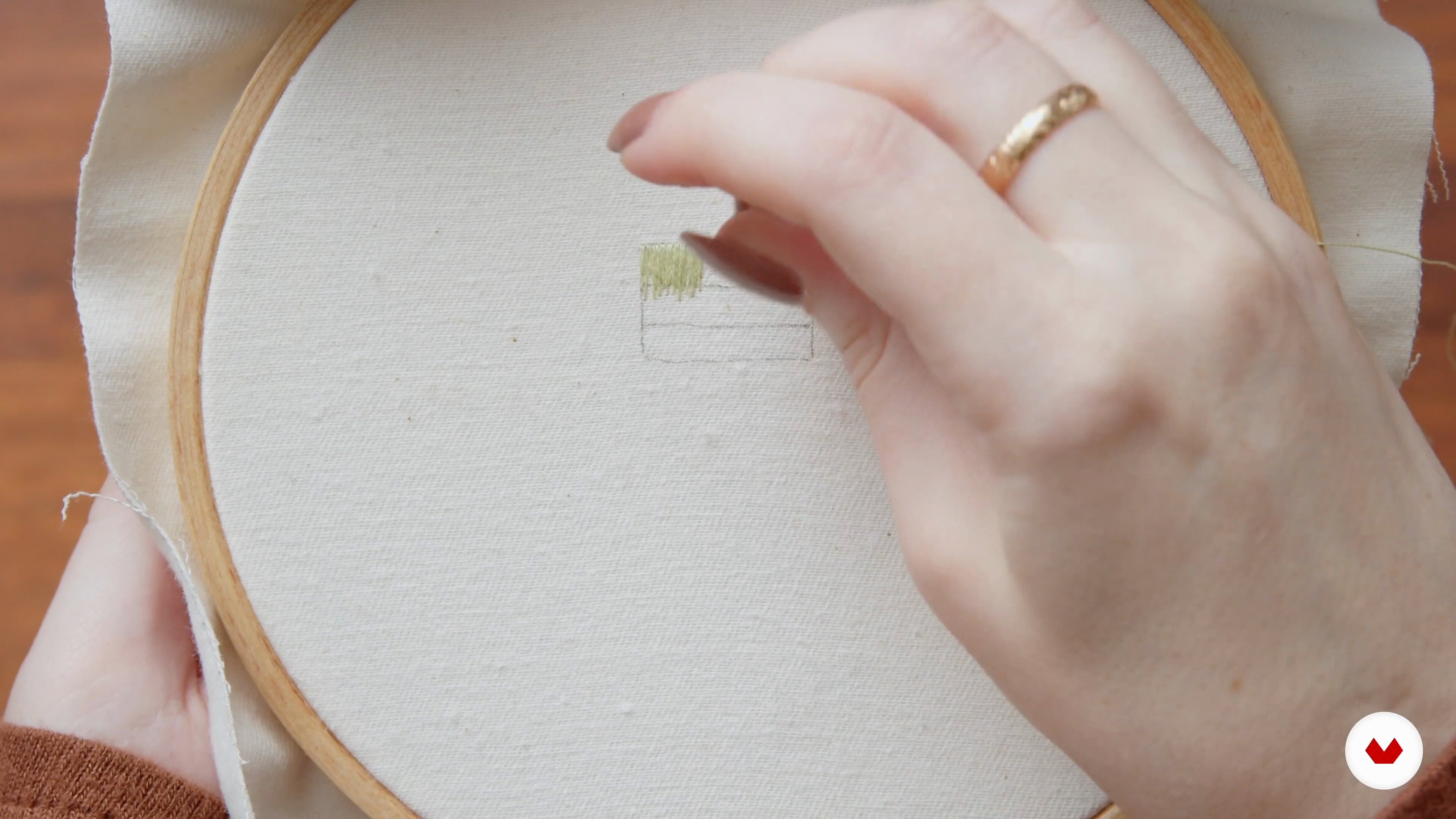
Cristin Morgan teaches you foundational stitches like back stitch and split stitch, along with the art of thread painting. Explore blending colors seamlessly, creating realistic textures, and achieving polished finishes. These techniques will add depth and character to every embroidery piece you create.
18m
 6
6Embroidery Stitches 2
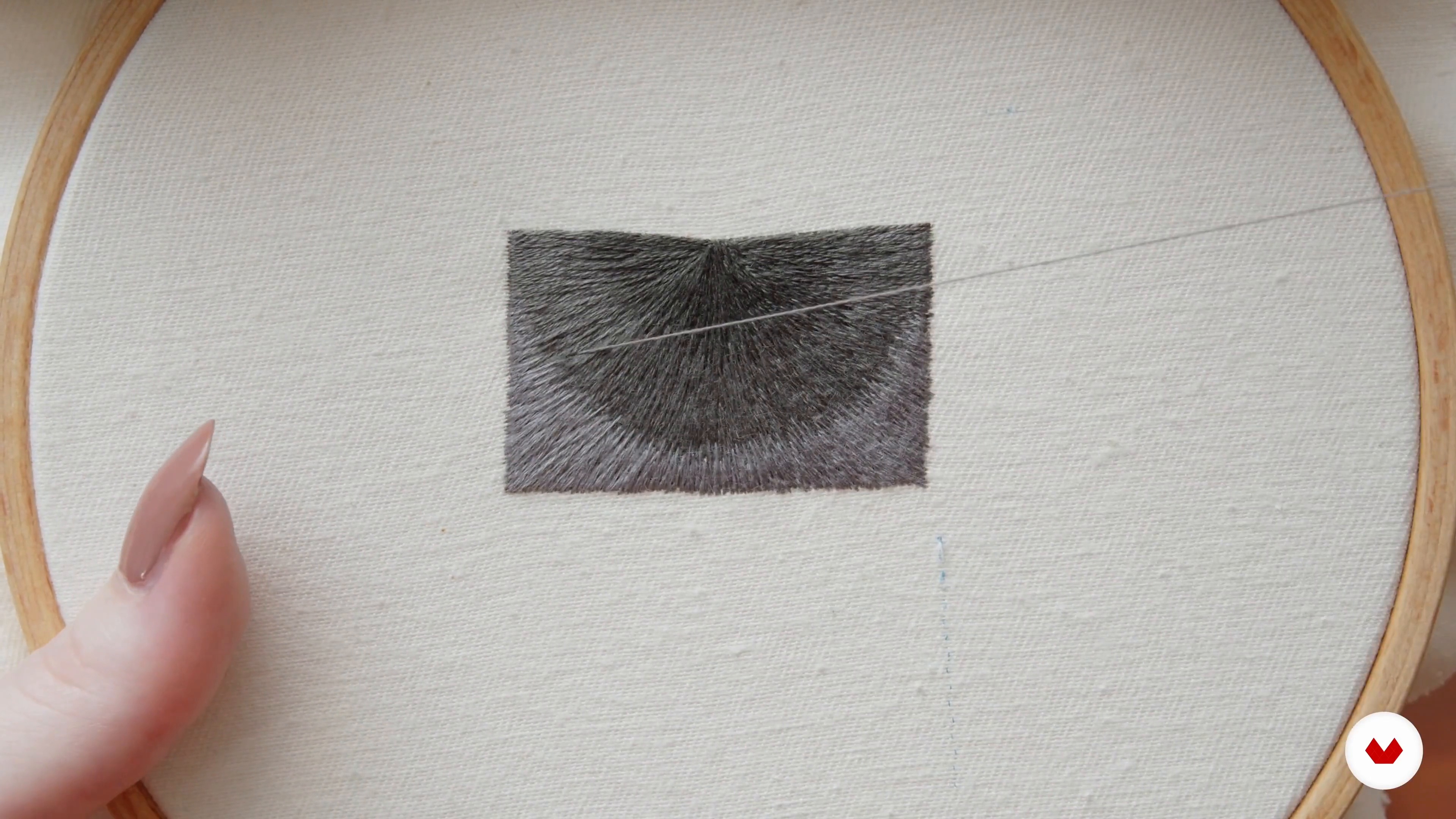
Cristin Morgan takes thread painting to the next level in this second part, showing how to create fur-like textures with flowing, angled stitches. A perfect follow-up to refine your technique and bring your embroidery to life!
11m
 1
1Introduction
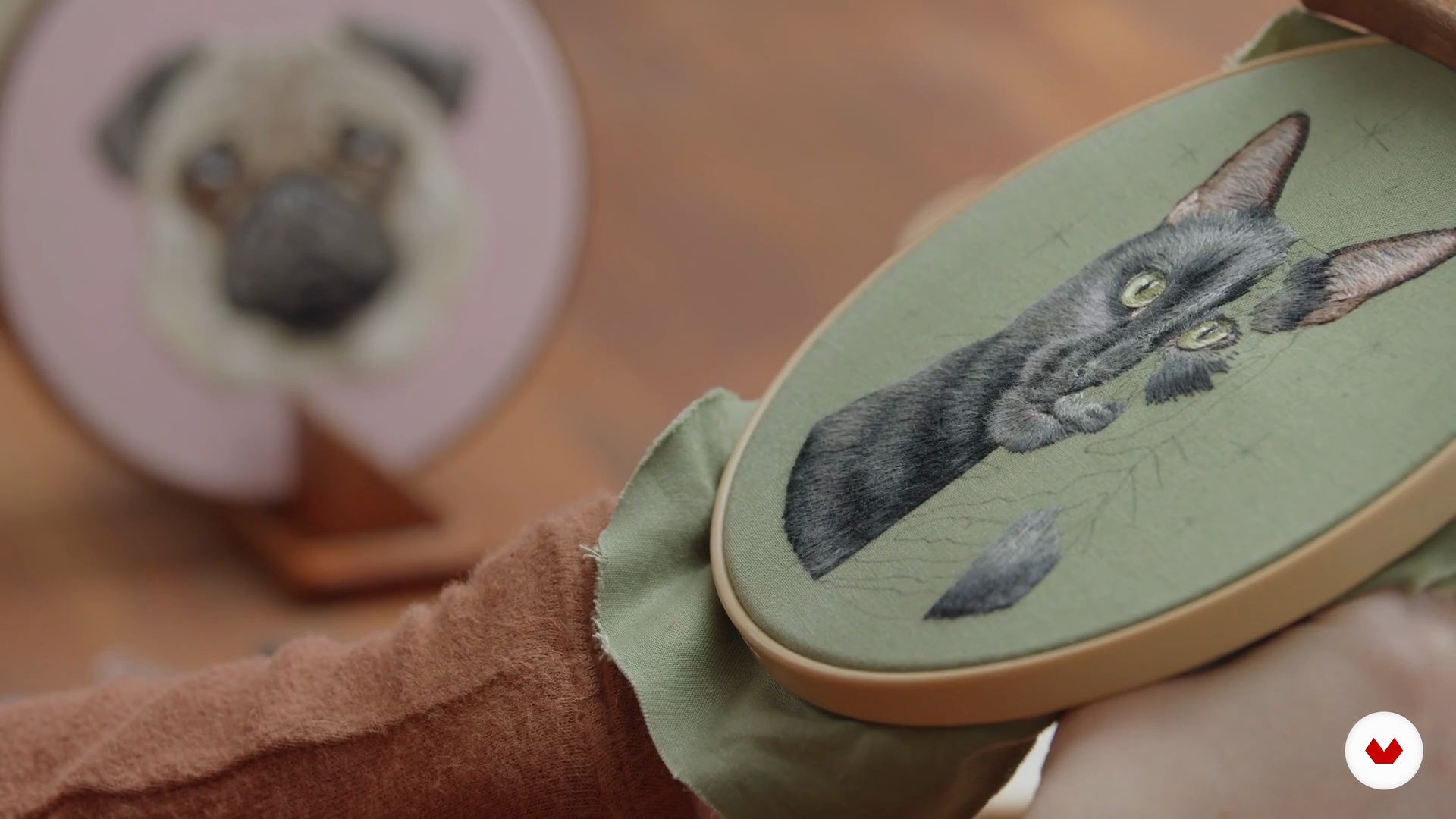
In this module, you will explore the unique qualities of embroidery as a tactile art form. You will compare its deliberate, meditative process to painting, examining how thread adds texture, depth, and physical connection to your creations. Discover how patience transforms stitches into an enriching artistic journey.
1m
 2
2Color Mapping
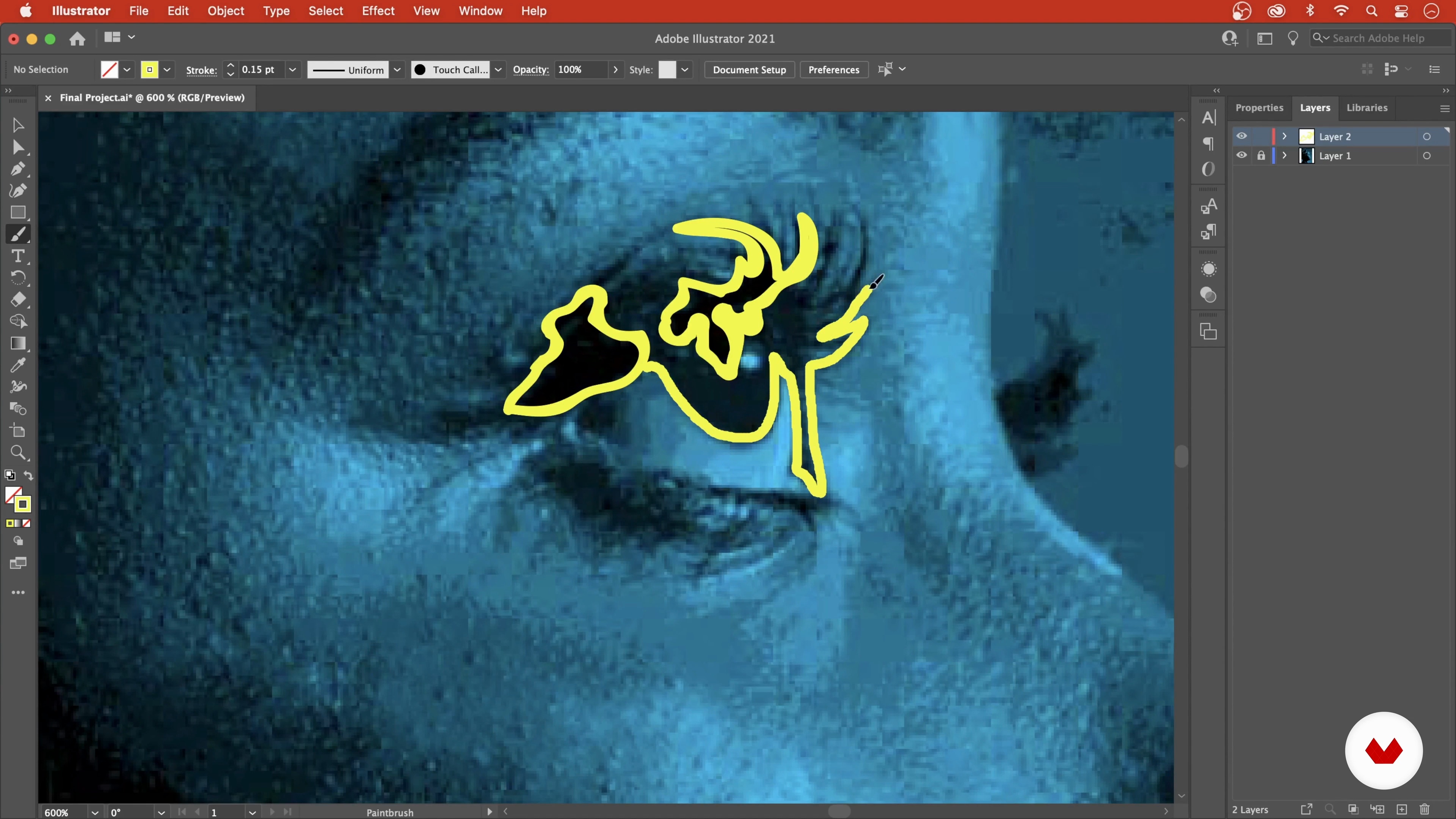
Discover with Nneka Jones a practical approach to digital color mapping in Adobe Illustrator. You'll master essential techniques for identifying and outlining color variations in portraits, from creating precise vector layers to capturing subtle details in facial features. Get ready to transform your digital art skills with professional color mapping techniques.
9m
 3
3The Movement of Fur and Layers
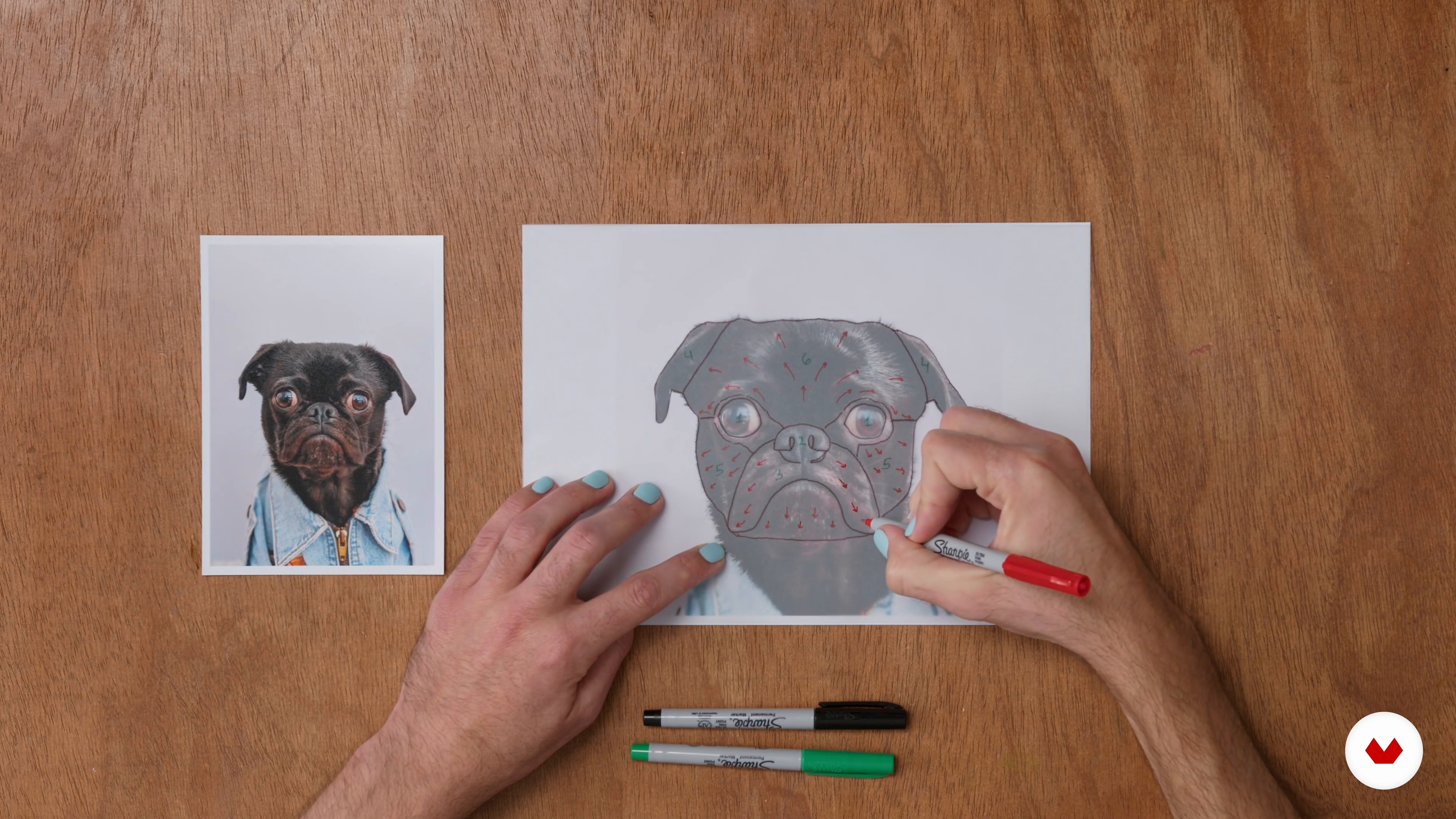
Follow Santo Cielo through a detailed exploration of fur patterns and layering techniques essential for pet portrait embroidery. Learn to analyze hair growth directions, identify crucial layers, and understand the optimal stitching order that brings dimension to your work. This foundation will help you create strikingly realistic embroidered pet portraits.
10m
 4
4Tracing
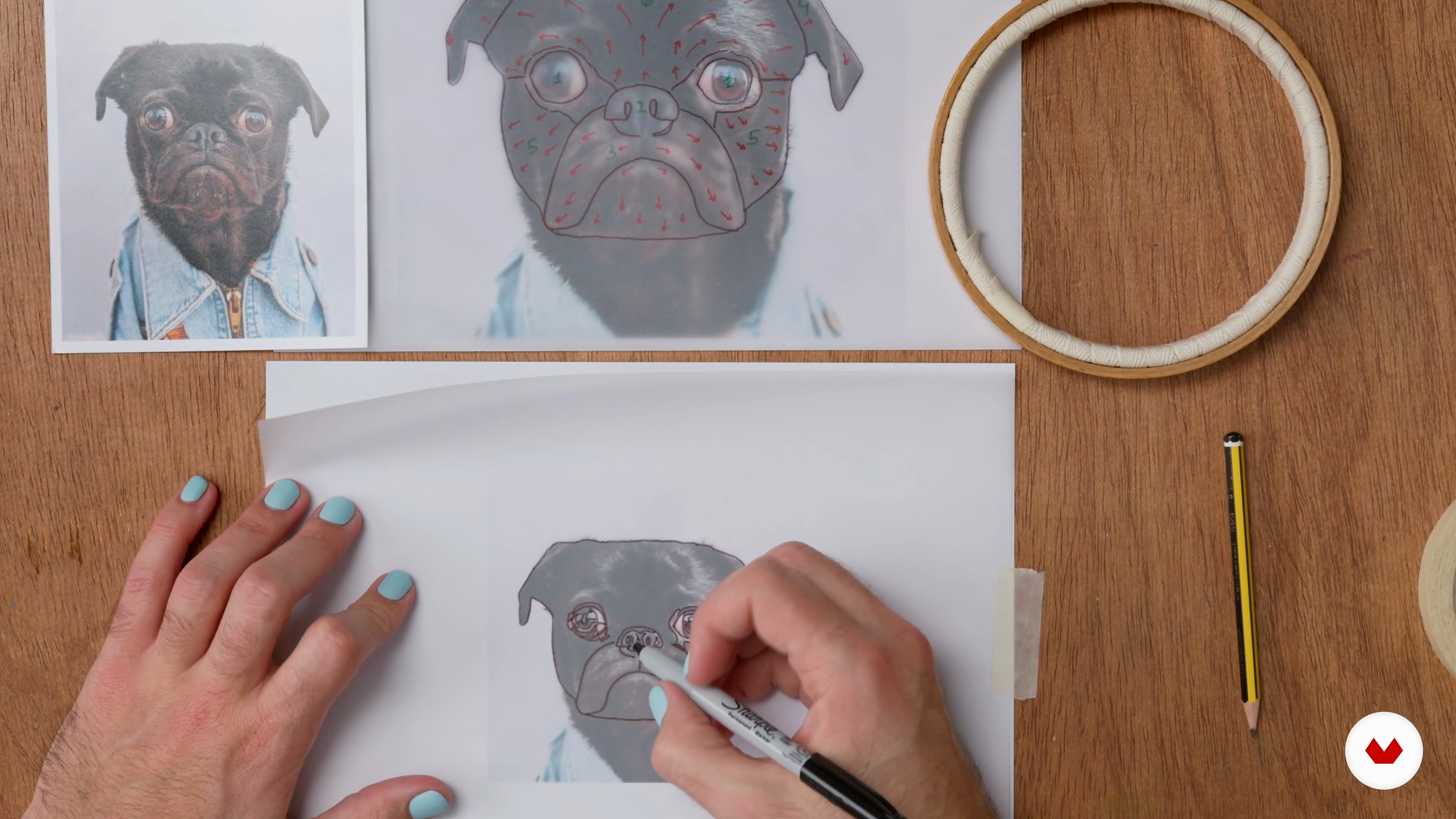
Let Santo Cielo show you the precise art of creating detailed tracings for your pet portrait embroidery. Discover how to effectively map color transitions, reflections, and textural details to serve as your stitching roadmap. These techniques will help you capture every nuance of your pet's unique features, from whiskers to subtle fur variations.
11m
 5
5Finding the Perfect Photo and Creating a Pattern
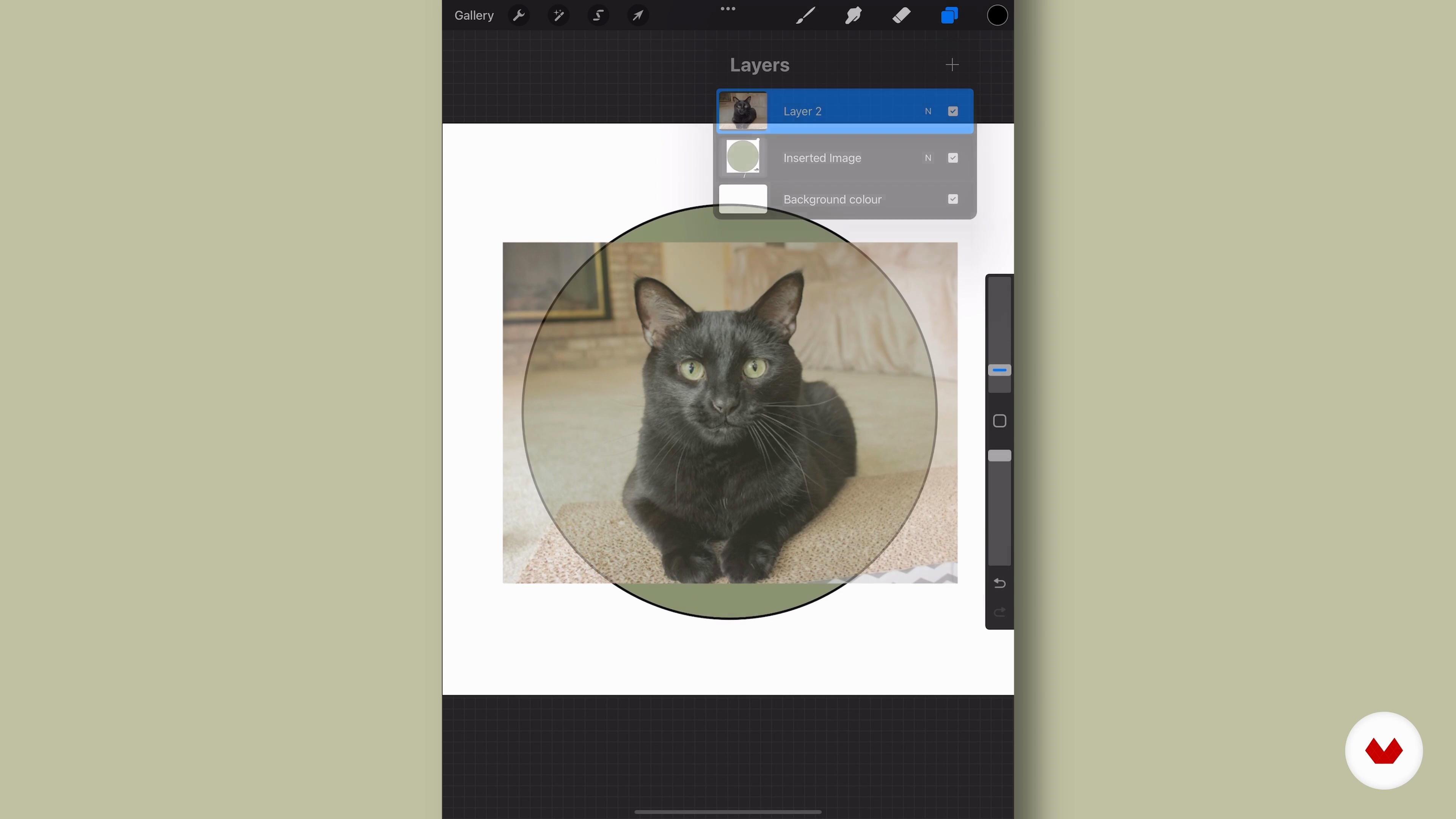
Michelle Staub ⋆ StitchingSabbatical guides you through the essential process of selecting and preparing the perfect reference photo for your pet portrait embroidery. You'll learn how to identify ideal lighting conditions, capture important details, and transform your chosen photo into a workable pattern. Master these foundational steps to ensure your embroidered portrait truly captures your pet's personality.
8m
 1
1Introduction
Selecting colors is one of the most enjoyable steps in embroidery. Subtle gradients and thoughtful combinations bring your work to life. Using the monarch butterfly as inspiration, you will learn to blend shades effectively, creating depth, harmony, and stunning vibrancy in your designs.
2m
 2
2Colors
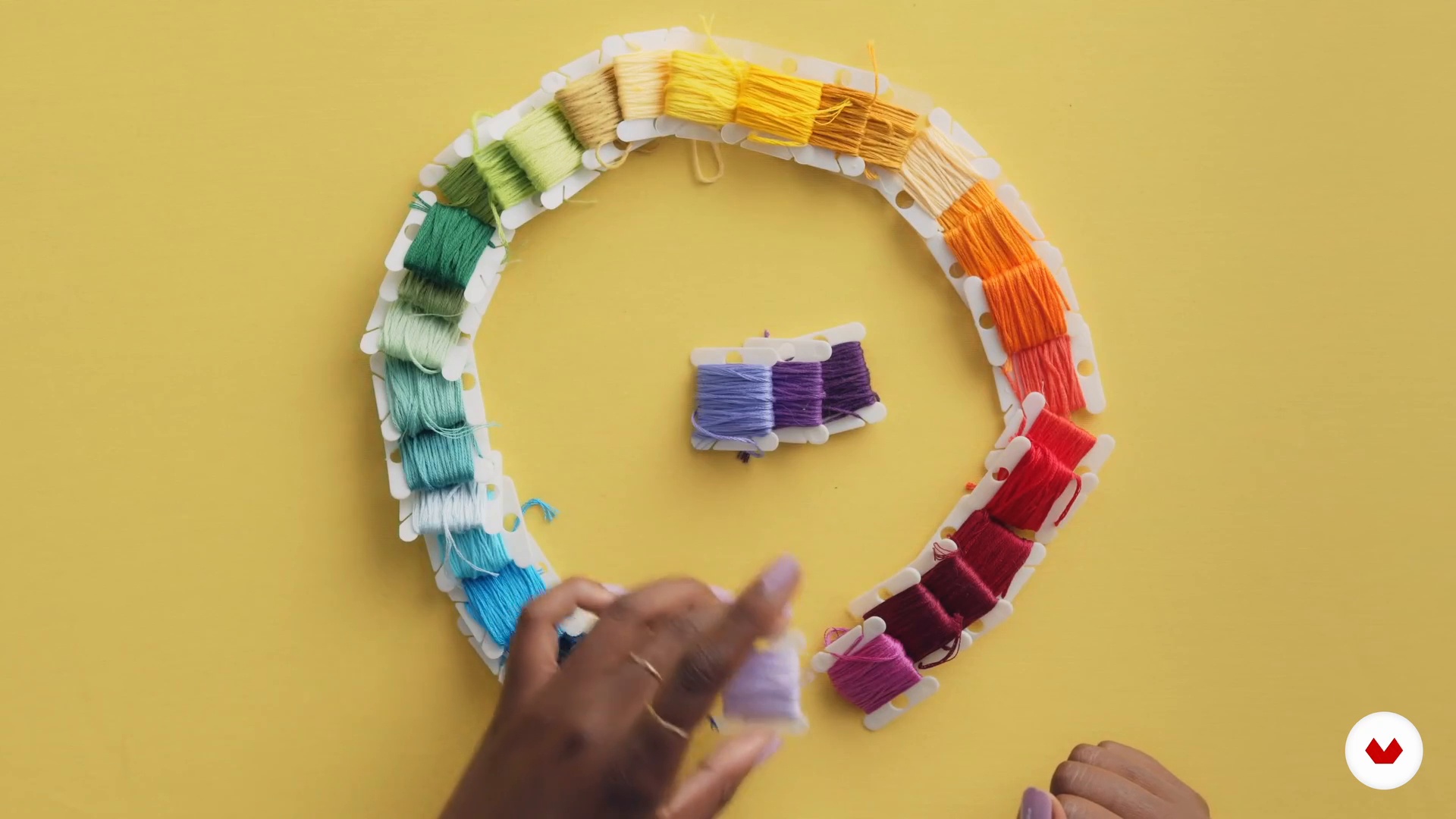
Defne Güntürkün explores the power of color in embroidery, teaching how to balance tones, use contrasts, and create harmony with the color wheel. Her examples reveal how backgrounds and thoughtful color choices can transform your designs and evoke emotion.
4m
 3
3Choosing the Color Palette
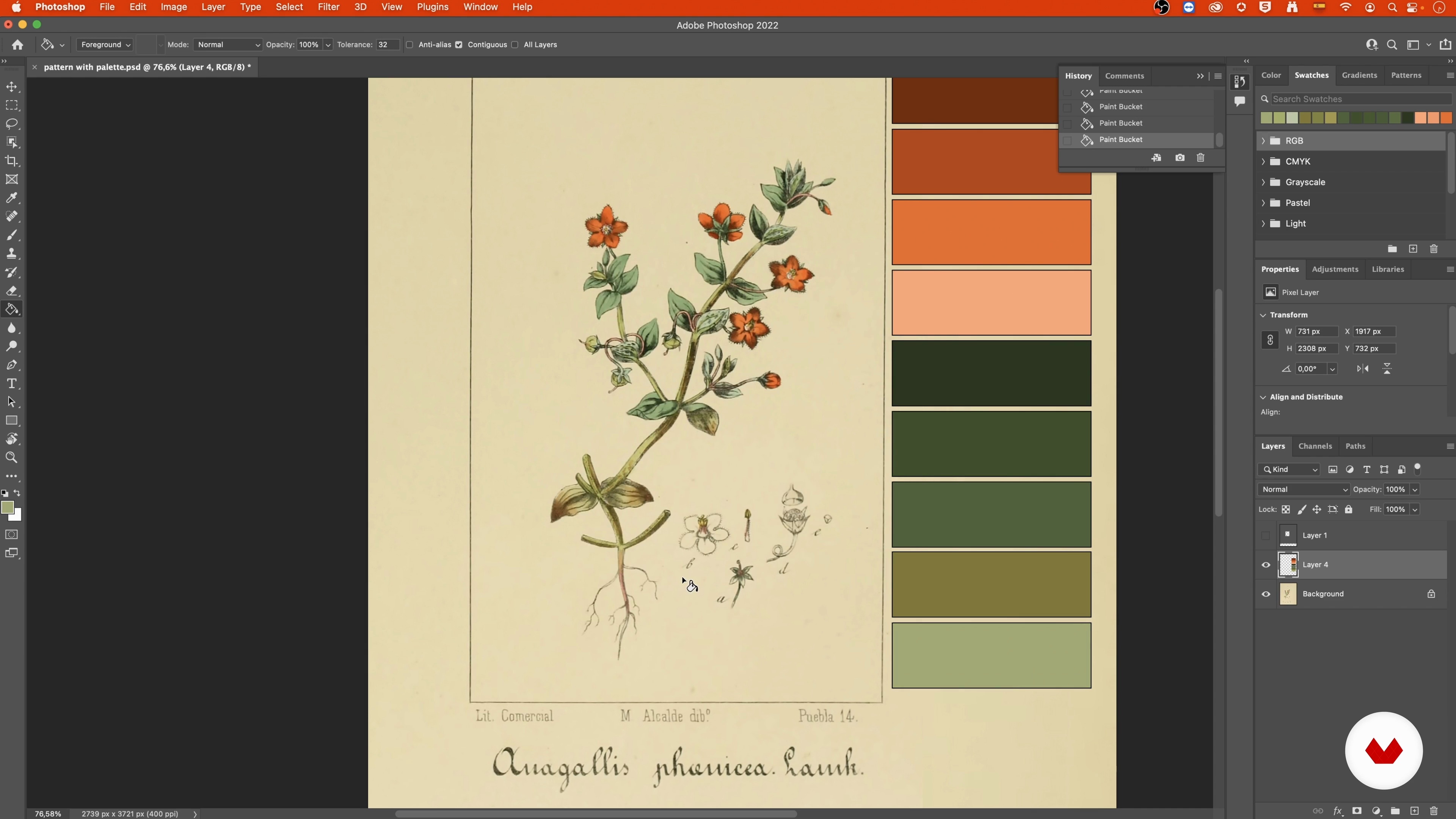
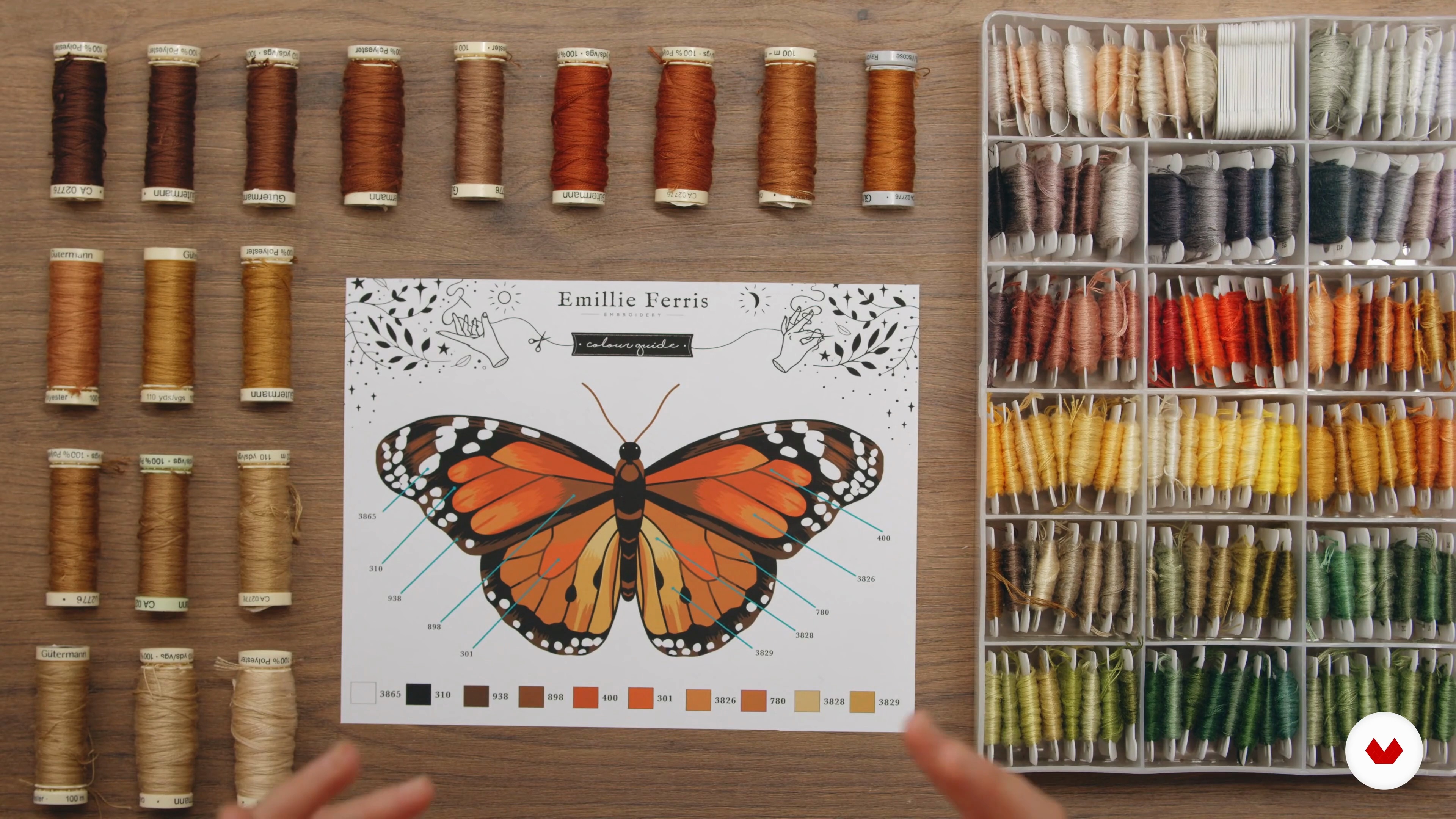
Emillie Ferris demonstrates her process for creating color palettes, starting from an inspirational image. Learn how to select shades for gradients, balance warm and cool tones, and match threads for your projects. With tips on organizing and testing colors, this method ensures a harmonious palette to bring your embroidery designs to life.
6m
 4
4Choosing Floss Colours
Choosing colors is a creative and essential part of embroidery, where subtle gradients and harmonious tones make all the difference. In this lesson, Emillie Ferris demonstrates how to select shades, blend them seamlessly, and organize threads for realistic results. Using a monarch butterfly as inspiration, you’ll learn practical tips to bring depth and vibrancy to your designs.
8m
 5
5Color Theory
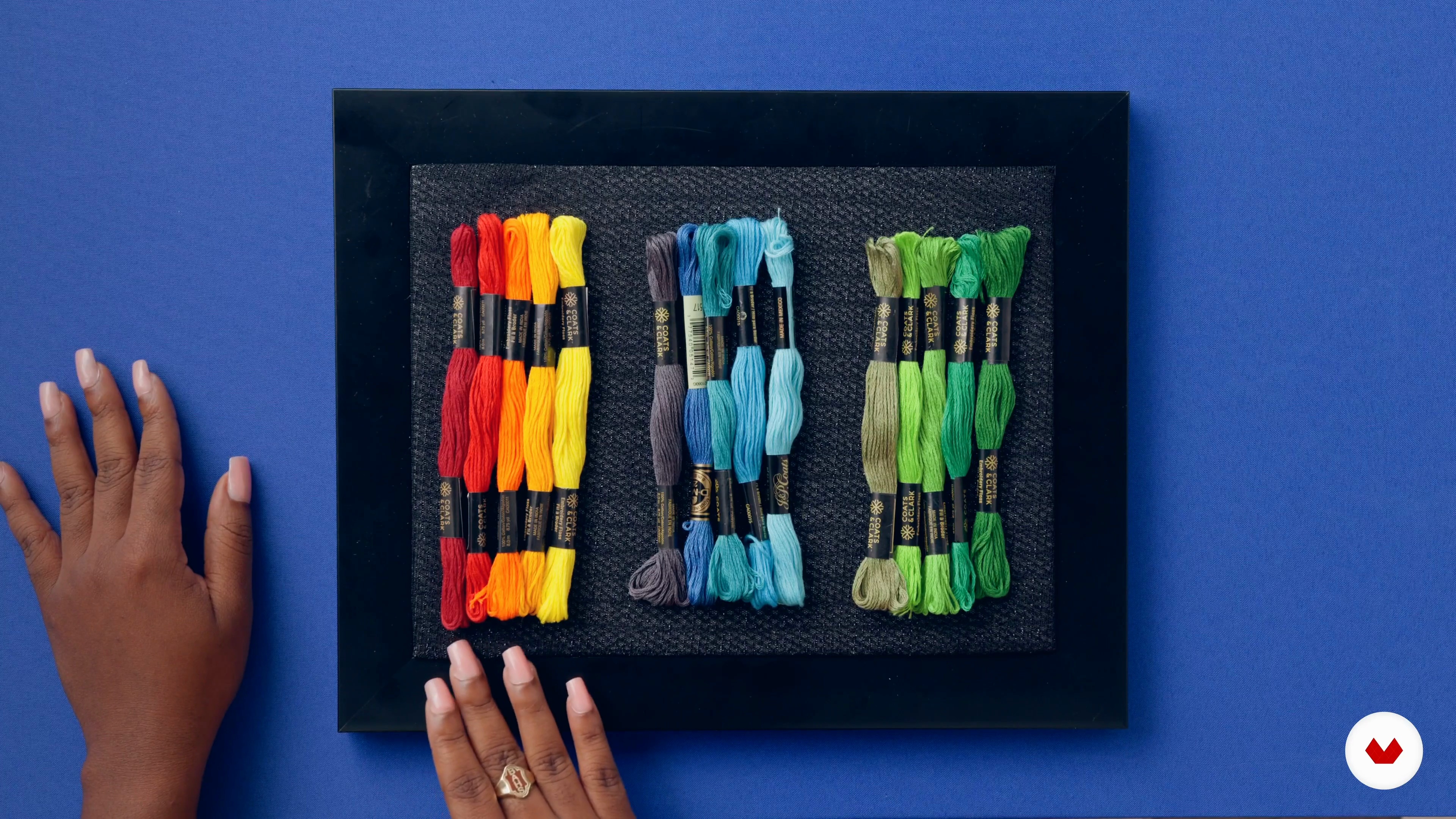
Selecting colors is one of the most enjoyable steps in embroidery. Subtle gradients and thoughtful combinations bring your work to life. Nneka Jones uses the monarch butterfly as a guide to demonstrate how to choose and blend shades for realistic results. Learn practical techniques to create depth, harmony, and stunning vibrancy in your projects.
9m
 1
1Transferring Your Design to Fabric
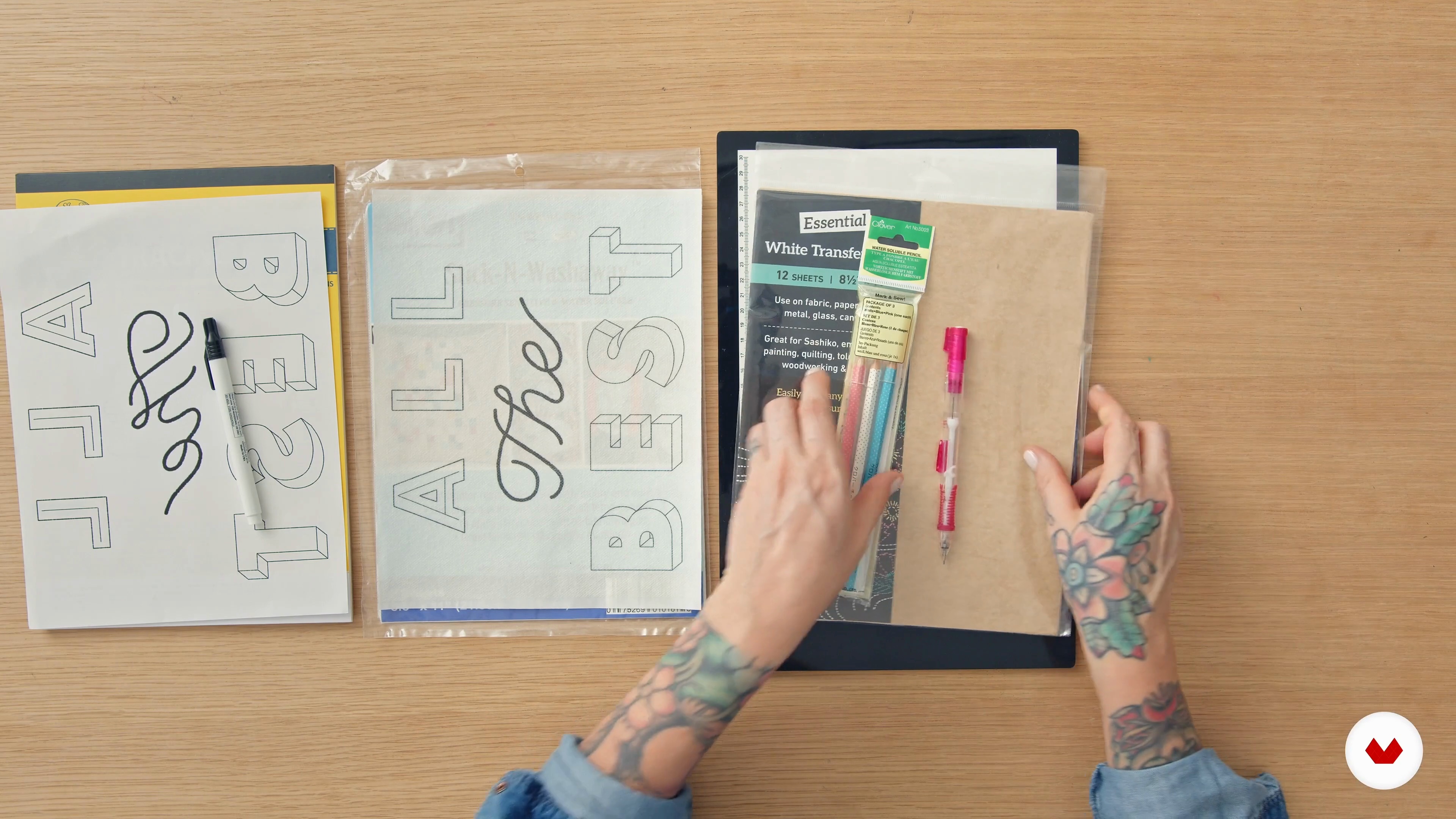
Cristin Morgan introduces four methods for transferring designs to fabric, from tracing with a light source to using carbon paper, adhesive stabilizers, and iron-on transfer pens. Each method suits different fabrics and designs, offering flexibility for various projects.
7m
 2
2Pattern Transfer
Transferring patterns onto fabric can be done in three simple ways: drawing directly, using transfer paper, or applying a water-soluble stabilizer. Ciara demonstrates her preferred method, the stabilizer, which allows for clean stitching and washes away effortlessly. Explore these techniques and choose the one that best fits your project.
3m
 3
3Transferring the Final Sketch to the Fabric
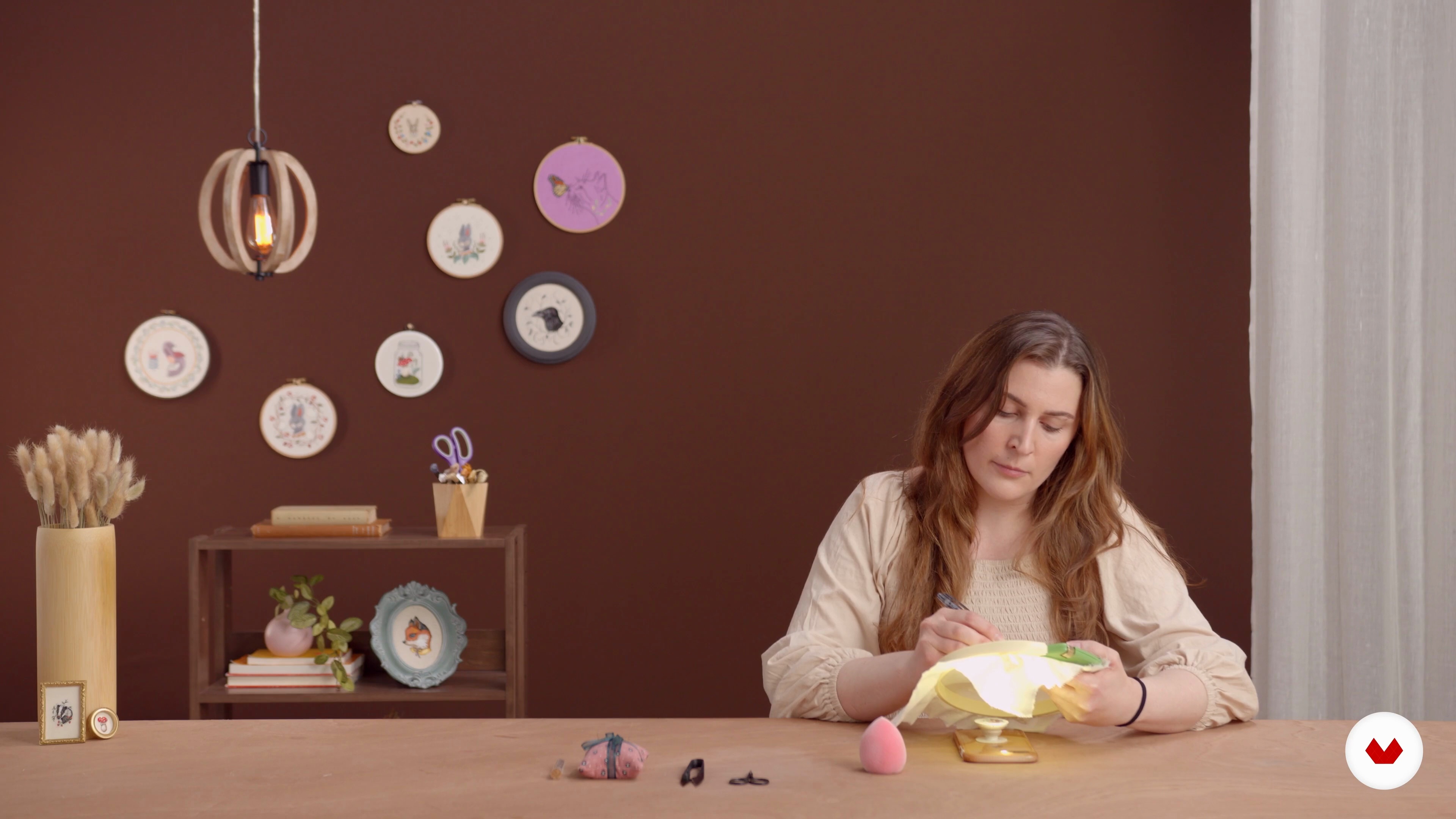
Tracing embroidery designs is simple with a few essential tools. Secure your printed designs to the back of your fabric using masking tape, then use a light source—like a phone, lamp, or window—to trace them. Yulia Sherbak recommends a heat-erasable pen for clean results, ensuring any marks disappear with heat. Now, your designs are ready for stitching!
3m
 1
1Stitching the Flowers
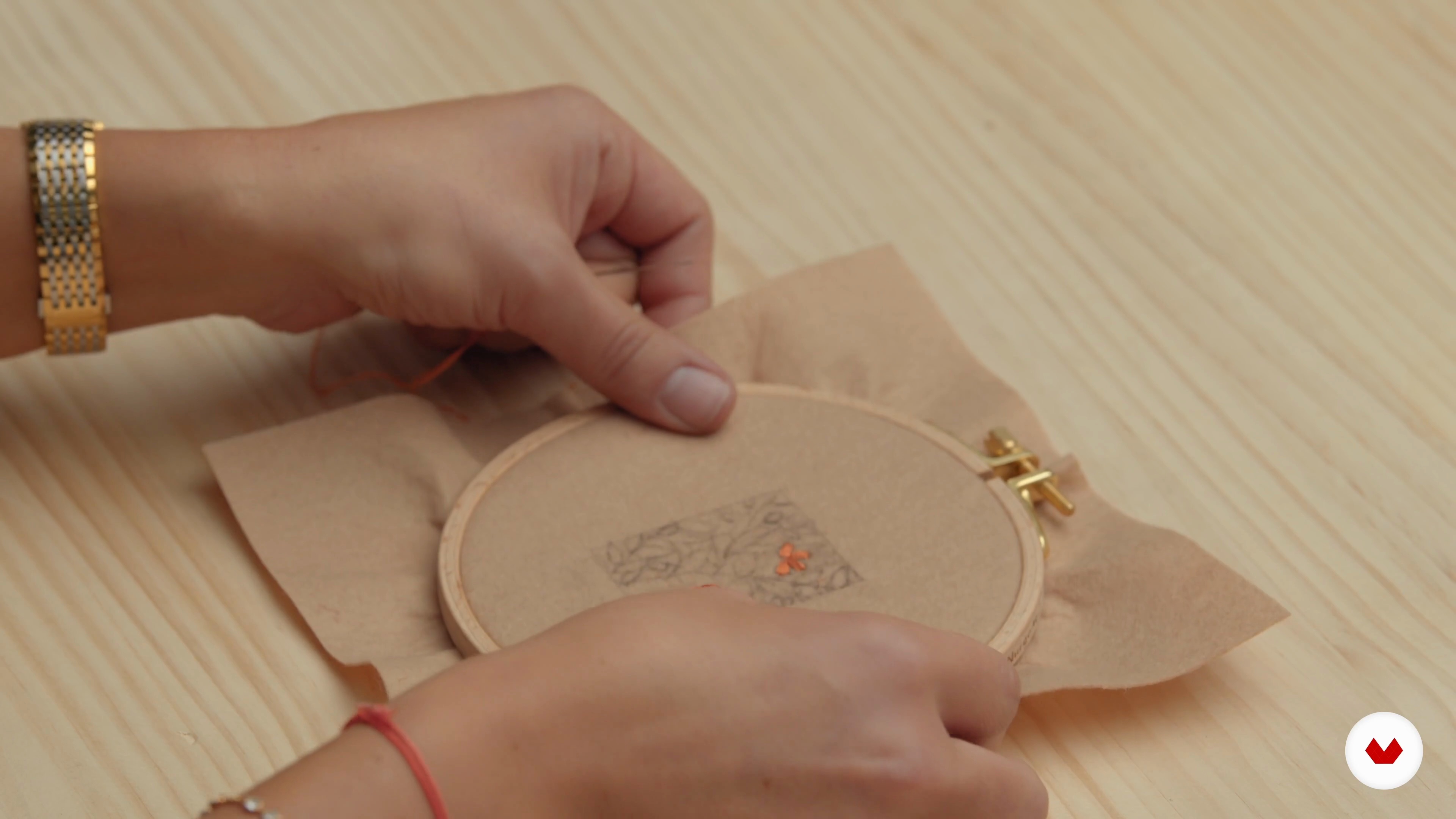
This lesson focuses on stitching flowers using techniques like the wheel stitch and long-and-short stitch. Defne Güntürkün demonstrates how to blend shades for depth, add highlights and shadows, and correct small imperfections for a natural finish. With her guidance, you’ll create layered, detailed flowers that bring your embroidery composition to life.
19m
 2
2Stitching the Leaves
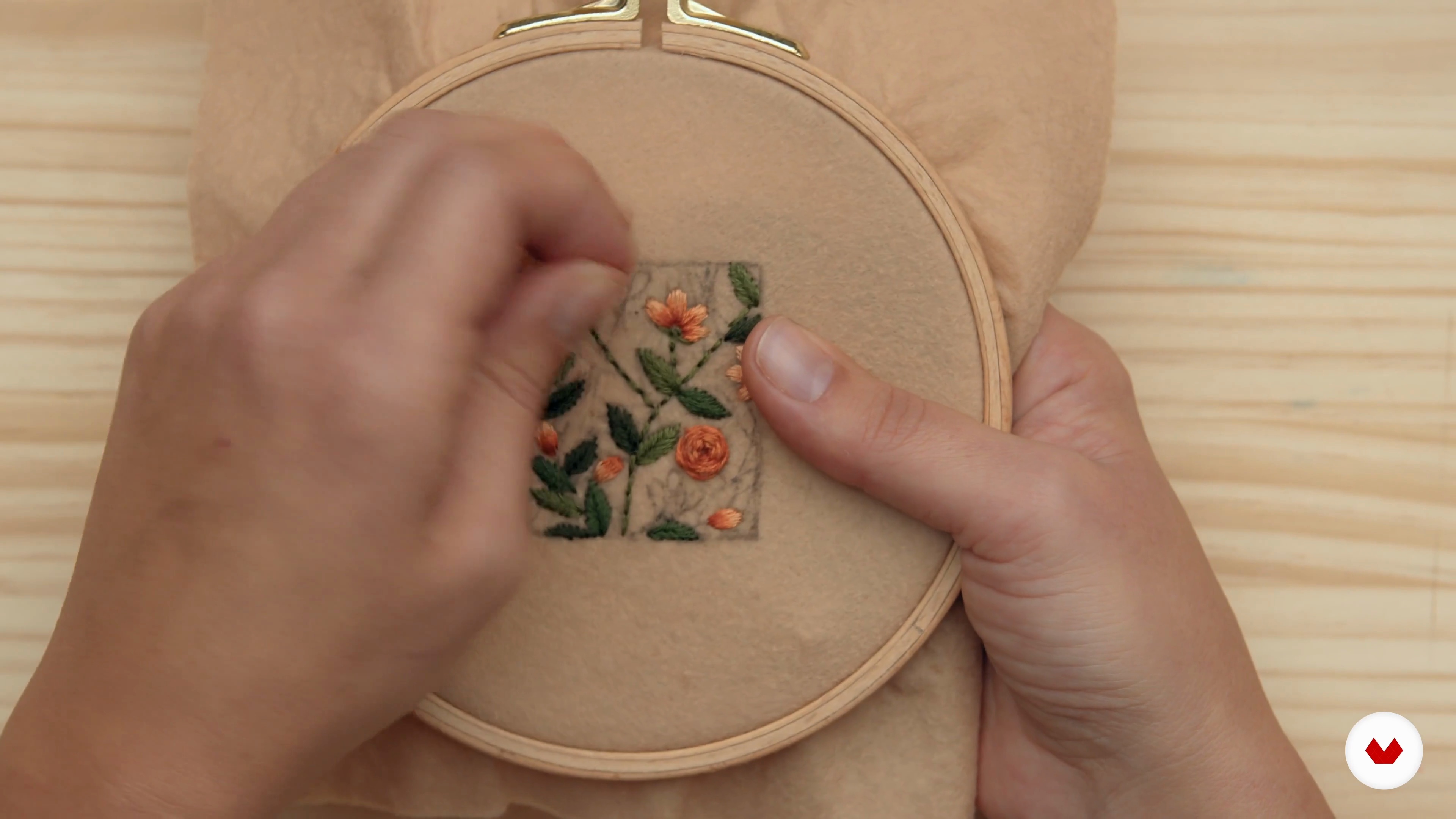
This lesson focuses on stitching leaves and stems using feather stitch, backstitch, and long and short stitch techniques. Defne Güntürkün shows how to blend greens for natural depth, add French knots for blooming details, and create realistic connections between stems and flowers. Follow these steps to bring movement and balance to your embroidery composition.
16m
 3
3Stitching Needle Painting 1
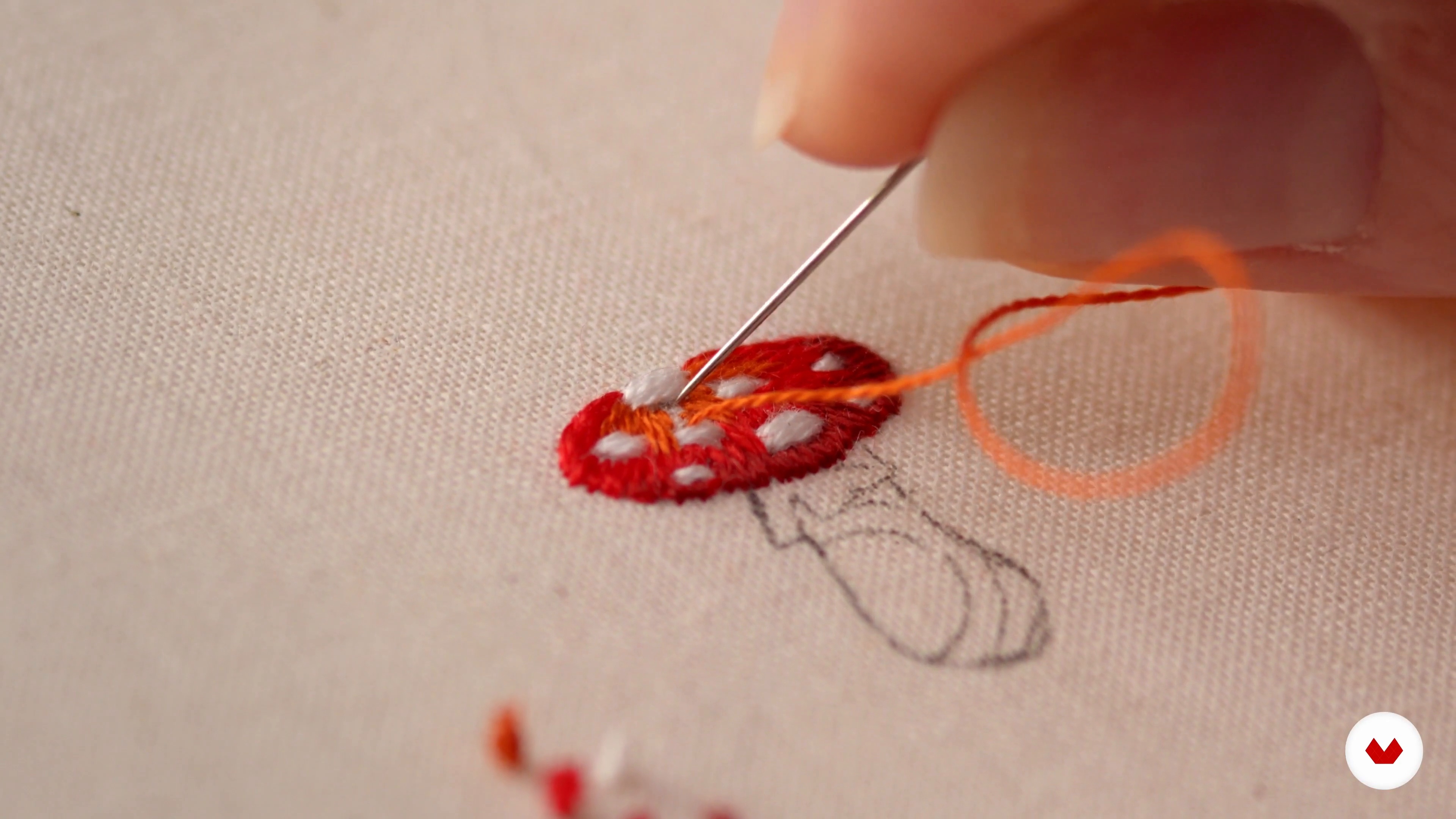
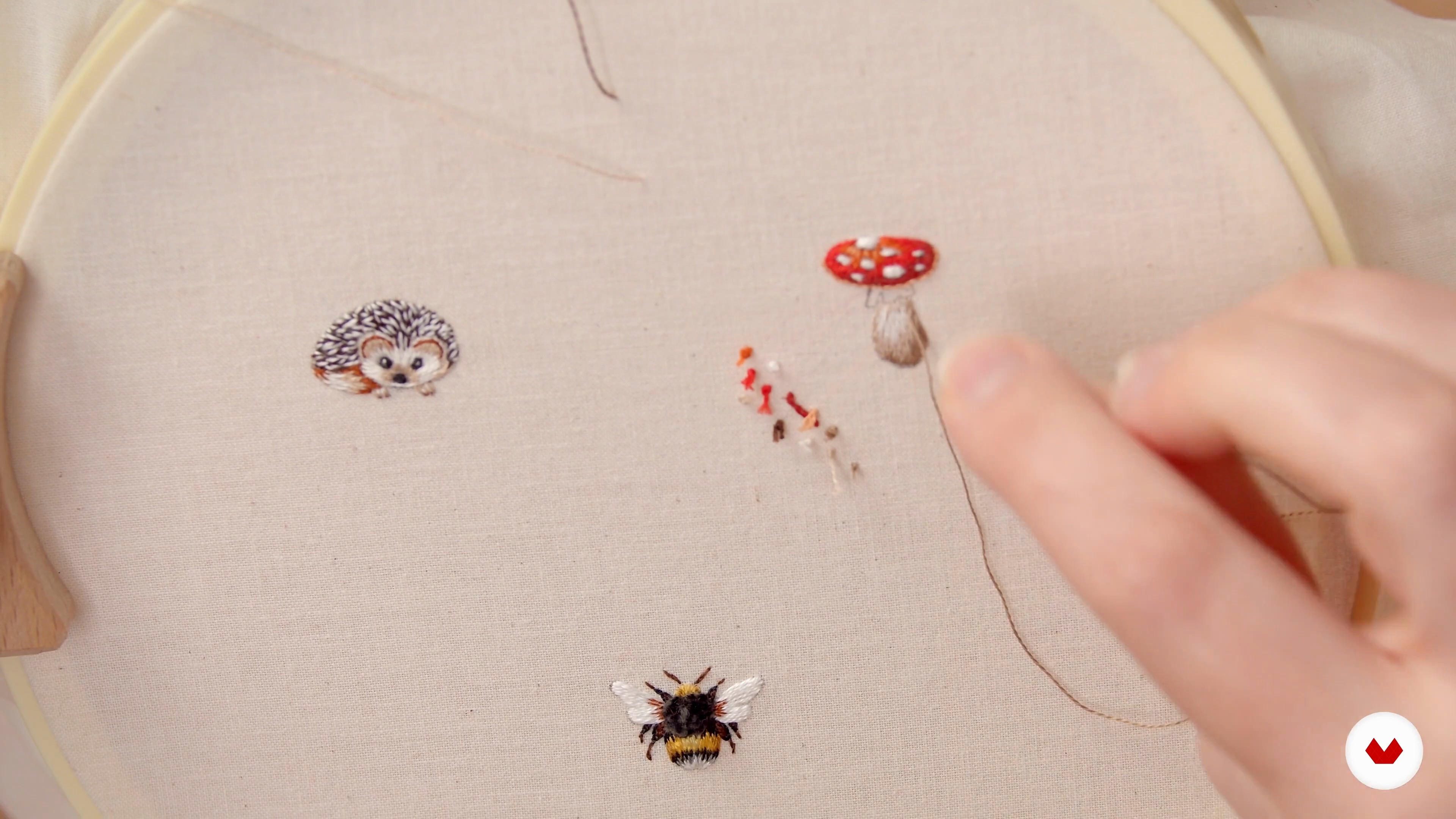
This lesson focuses on stitching the mushroom cap with satin stitch, split stitch, and long and short stitch. Yulia Sherbak begins with a satin stitch for the scales, layering them for a 3D effect. You'll outline the cap, add shading and highlights, and create depth using thoughtful color placement. Step by step, bring your mushroom design to life with texture and dimension.
13m
 4
4Stitching Needle Painting 2
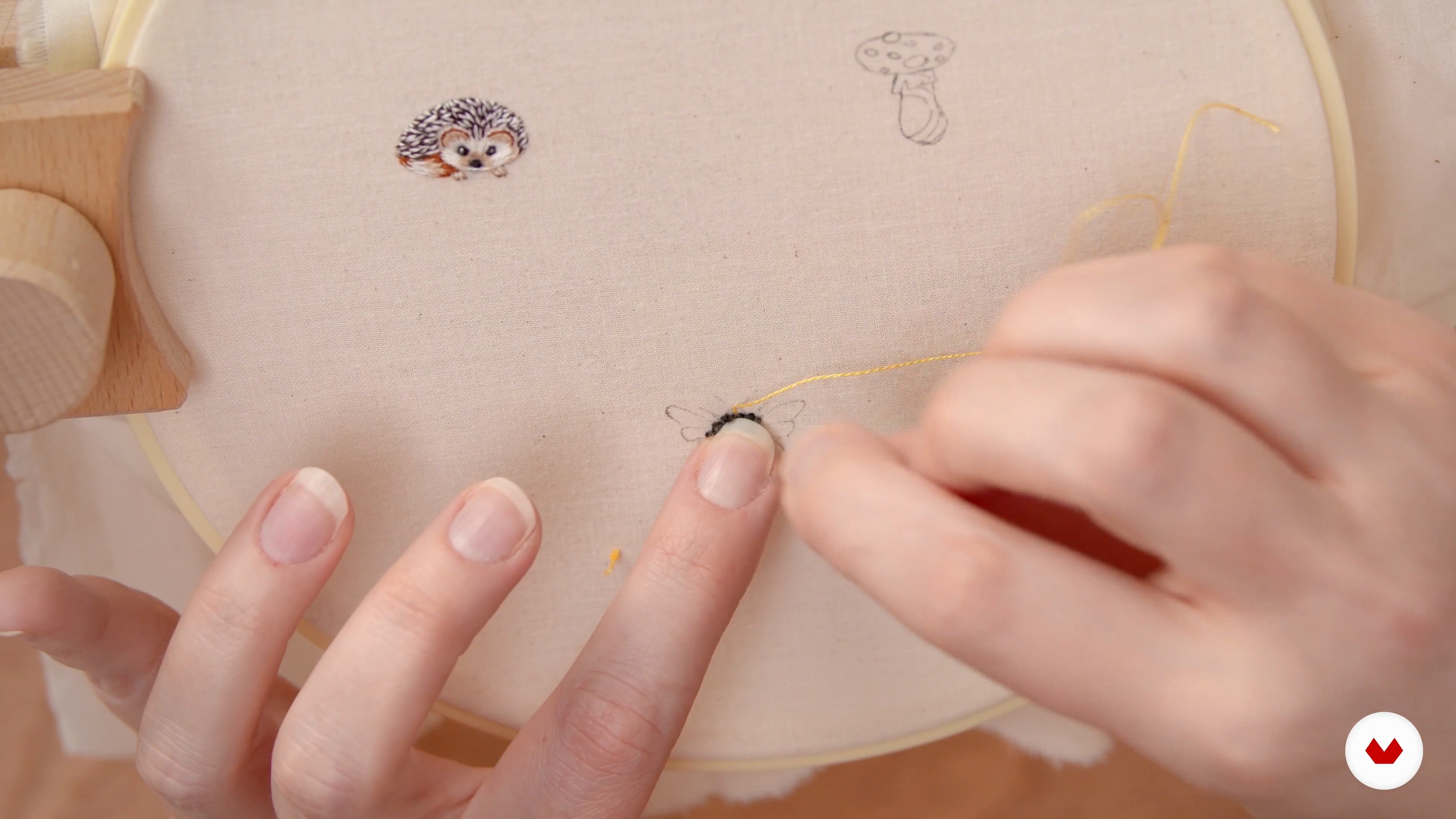
With the mushroom cap complete, it's time to stitch the stem. Using shades of brown and beige, you'll create smooth transitions and add shadows for depth. Yulia Sherbak demonstrates techniques like satin stitch for small areas and shading under the cap for realism. Finish by erasing any pen marks for a polished final piece.
13m
 1
1Stitching Needle Painting 2.1
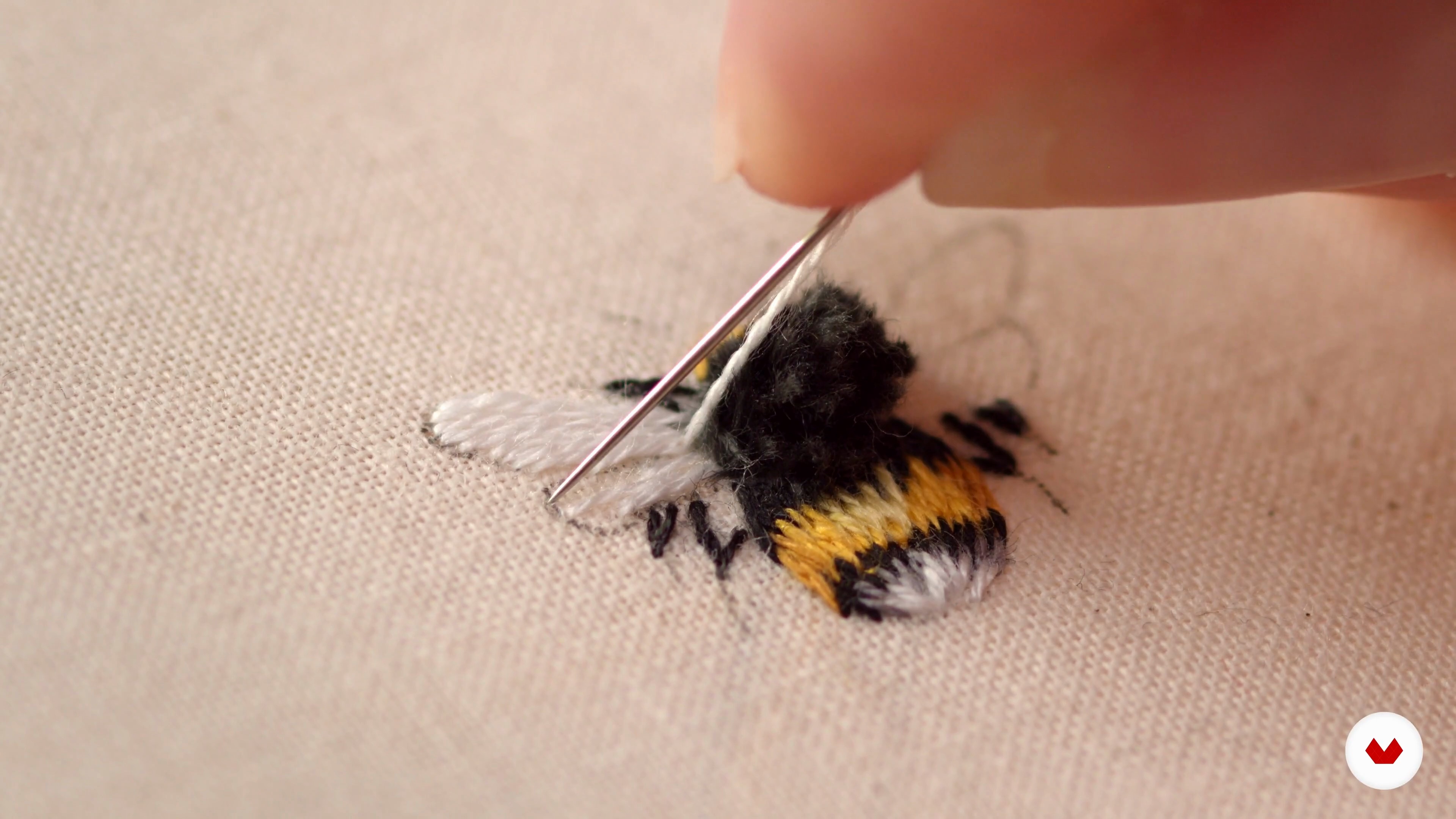
Stitching the bumblebee begins with the thorax, using Turkey Work to create a plush texture by blending black and gray threads. Next, Yulia Sherbak uses satin stitch for the head and long-and-short stitch for the abdomen stripes, alternating between black and yellow shades for dimension. With details like split-stitched legs and shading, this bee comes to life with realistic depth.
13m
 2
2Stitching Needle Painting 2.2
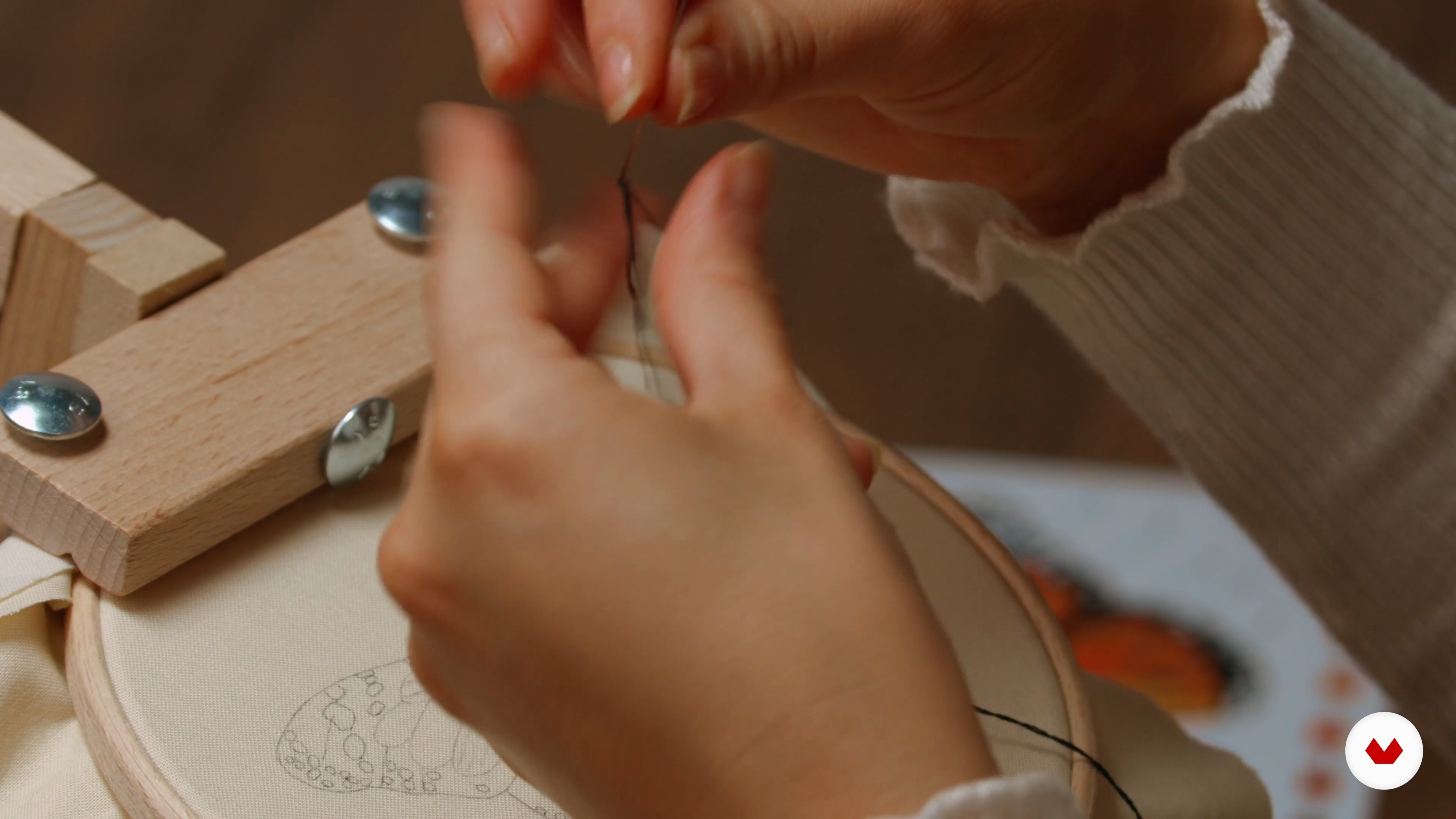
The bumblebee is completed with final touches to the abdomen, tail, wings, legs, and antennae. Using long and short stitches, Yulia Sherbak blends black, gray, and white for smooth gradients, fill the wings with soft detailing, and adds depth with dark brown for the legs.
9m
 3
3Our First Stitches 1
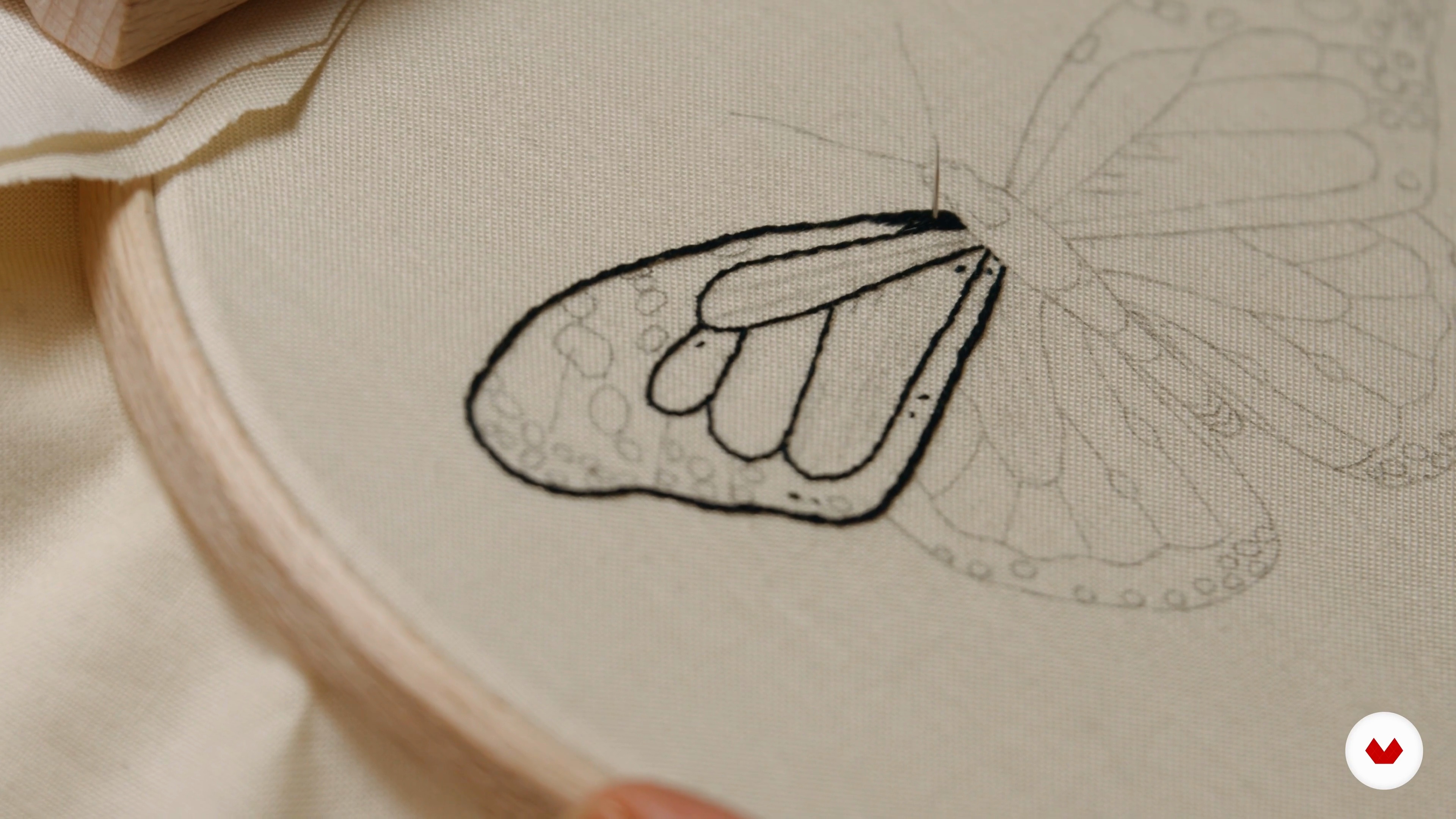
The talented Emillie Ferris starts our monarch butterfly project today! You'll carefully transfer the pattern and outline those gorgeous wings using split stitch with two strands of black thread for a neat, raised effect. Plus, you'll learn all the tricks for smooth stitching and keeping your workspace tidy as you create this beautiful butterfly.
12m
 4
4Our First Stitches 2
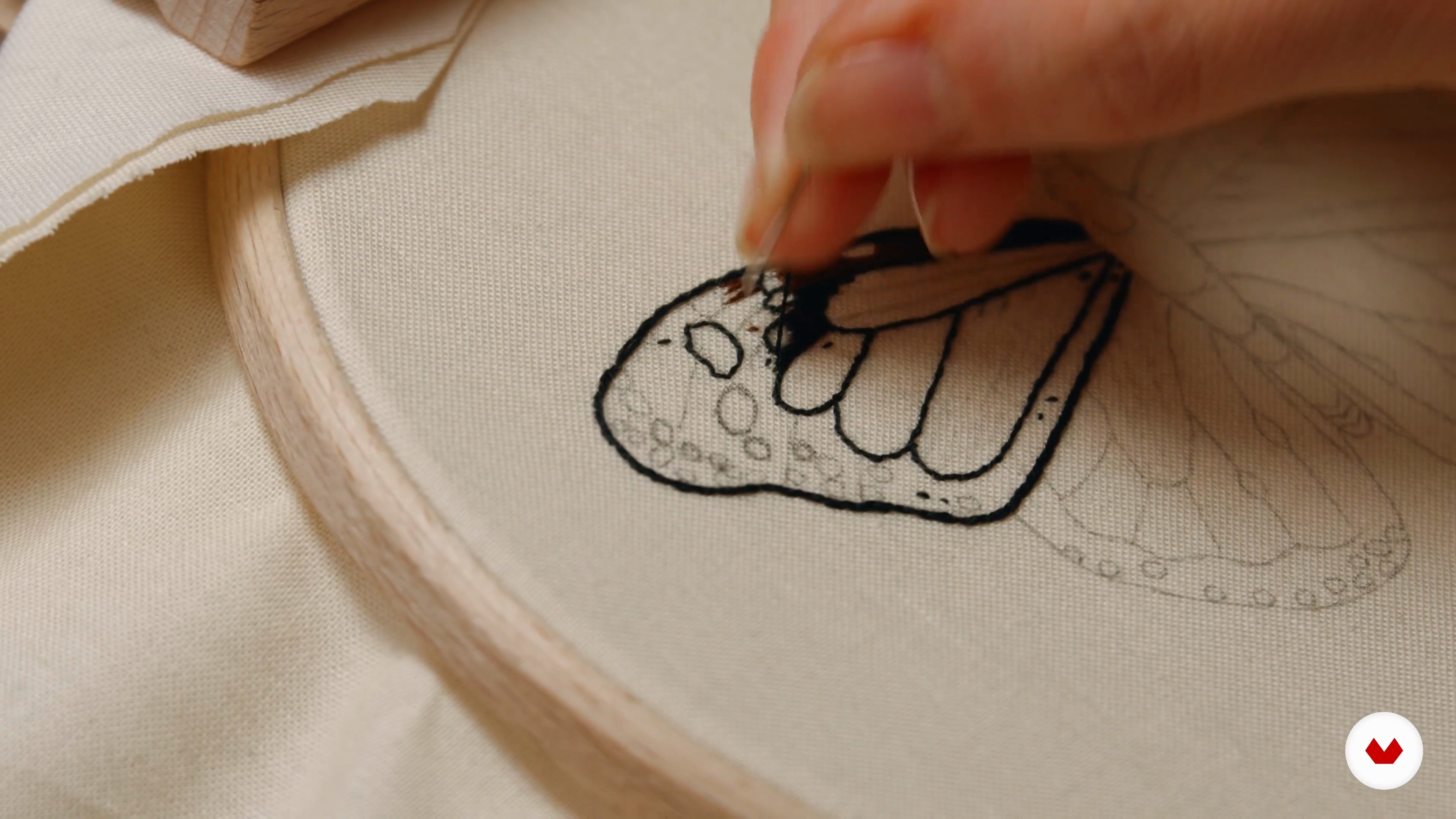
Following the pattern transfer, our talented Emillie Ferris moves into detailed wing work. She uses a single thread of 310 for inner segments as a base, then compares split and back stitch methods—she prefers the back stitch for curved lines! Moving into long and short stitches, she demonstrates color blending techniques and shares a key tip: work symmetrical pieces evenly to prevent fabric warping.
14m
 5
5Our First Stitches 3
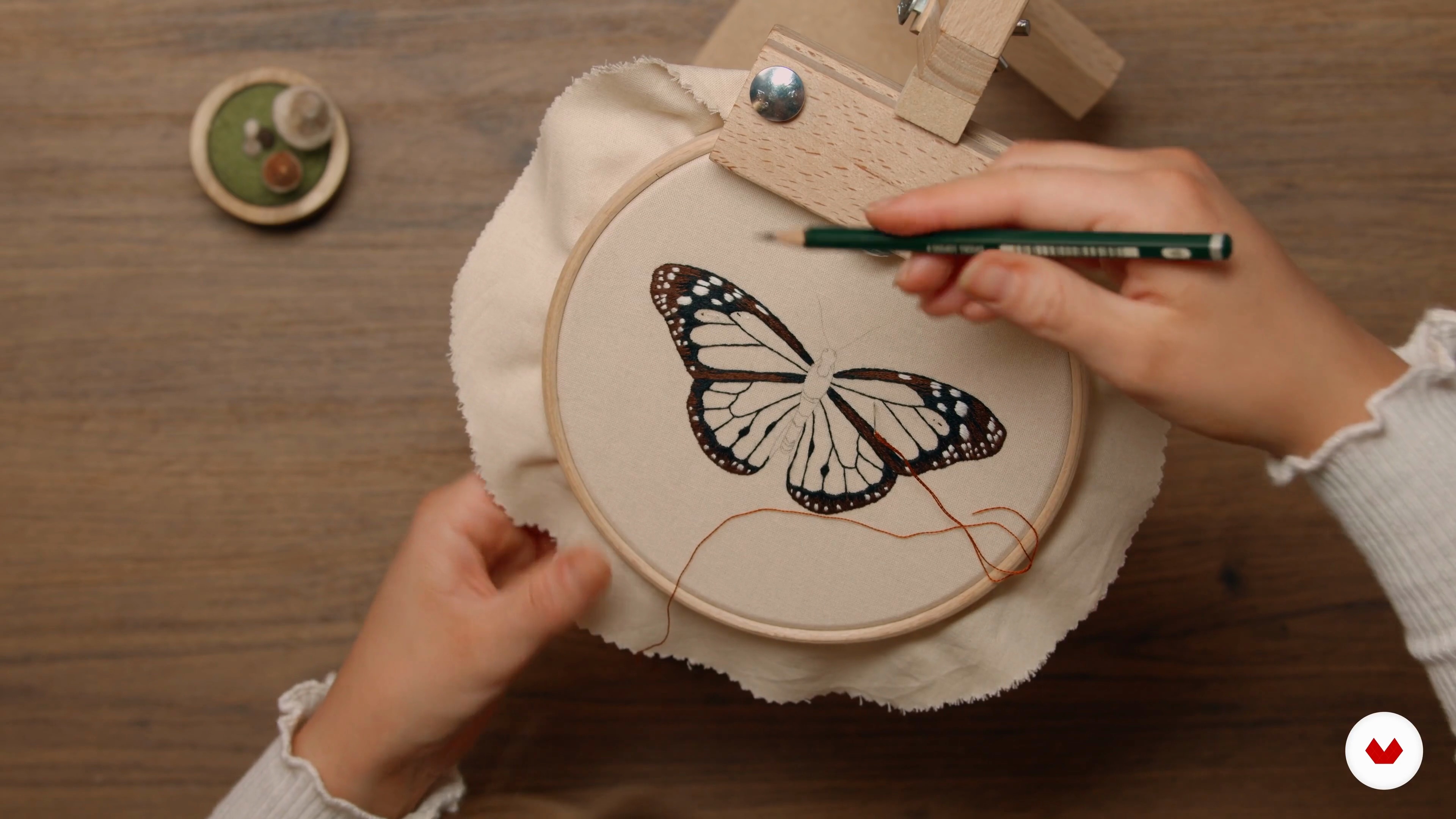
Moving forward with the detailed work, gentle Emillie Ferris reveals a crucial technique: outlining all those tiny circles with split stitches using 310 thread before they disappear under your work. After marking them clearly, she shows her special color blending magic - adding random black stitches into brown areas to create a natural transition between colors. Remember, there's no strict rule here - trust your artistic eye to guide you! ✨
8m
 6
6The Forewings
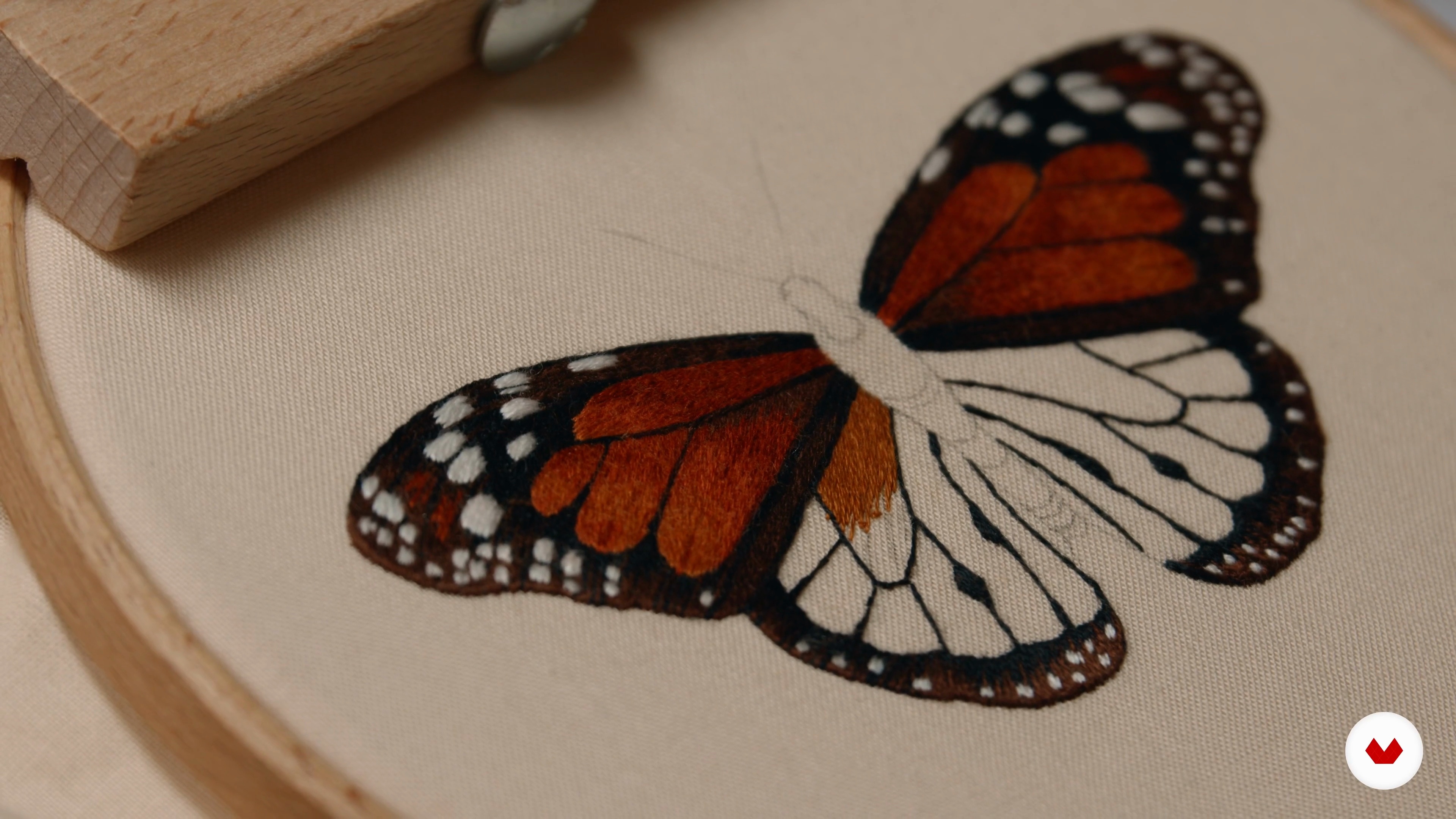
Working from inside out, our creative Emillie Ferris shares her secrets for those final wing details. She uses double thread to handle tricky edges and white dots, then guides us through creating beautiful orange gradients. Her top tip: blend similar shades carefully and "comb" your stitches for that perfect painted look! 🦋
18m
 7
7The Hindwings and the Body 1
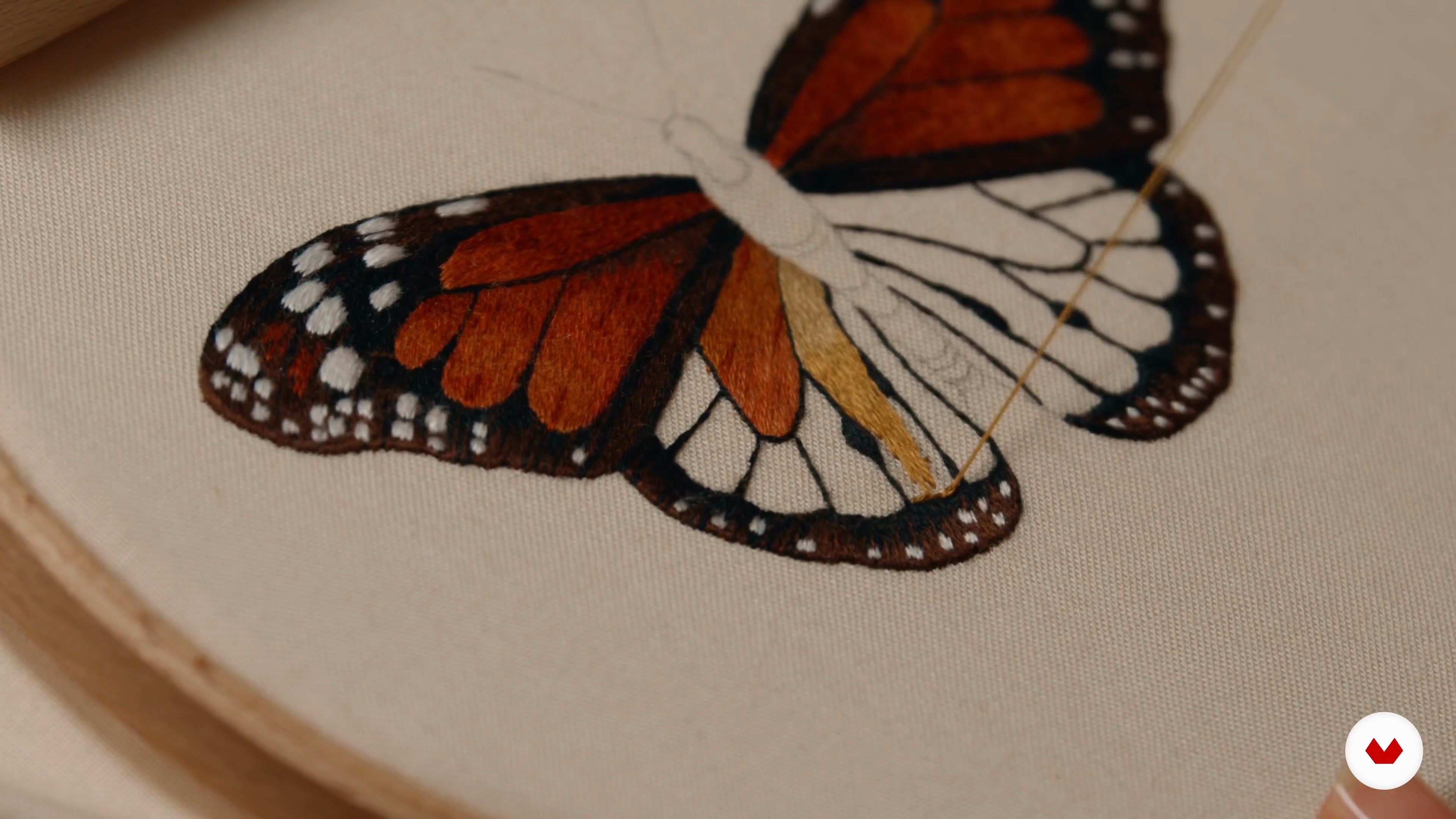
Moving to the lower wings, Emillie Ferris reveals how light and shadow create butterfly magic! She adds extra layers of stitches to create beautiful gradients that mimic sunlight, then shows how to tackle those tricky middle segments with different stitch lengths. Her artistic touch? Adding subtle highlights with lighter thread for that extra sparkle!
11m
 8
8The Hindwings and the Body 2
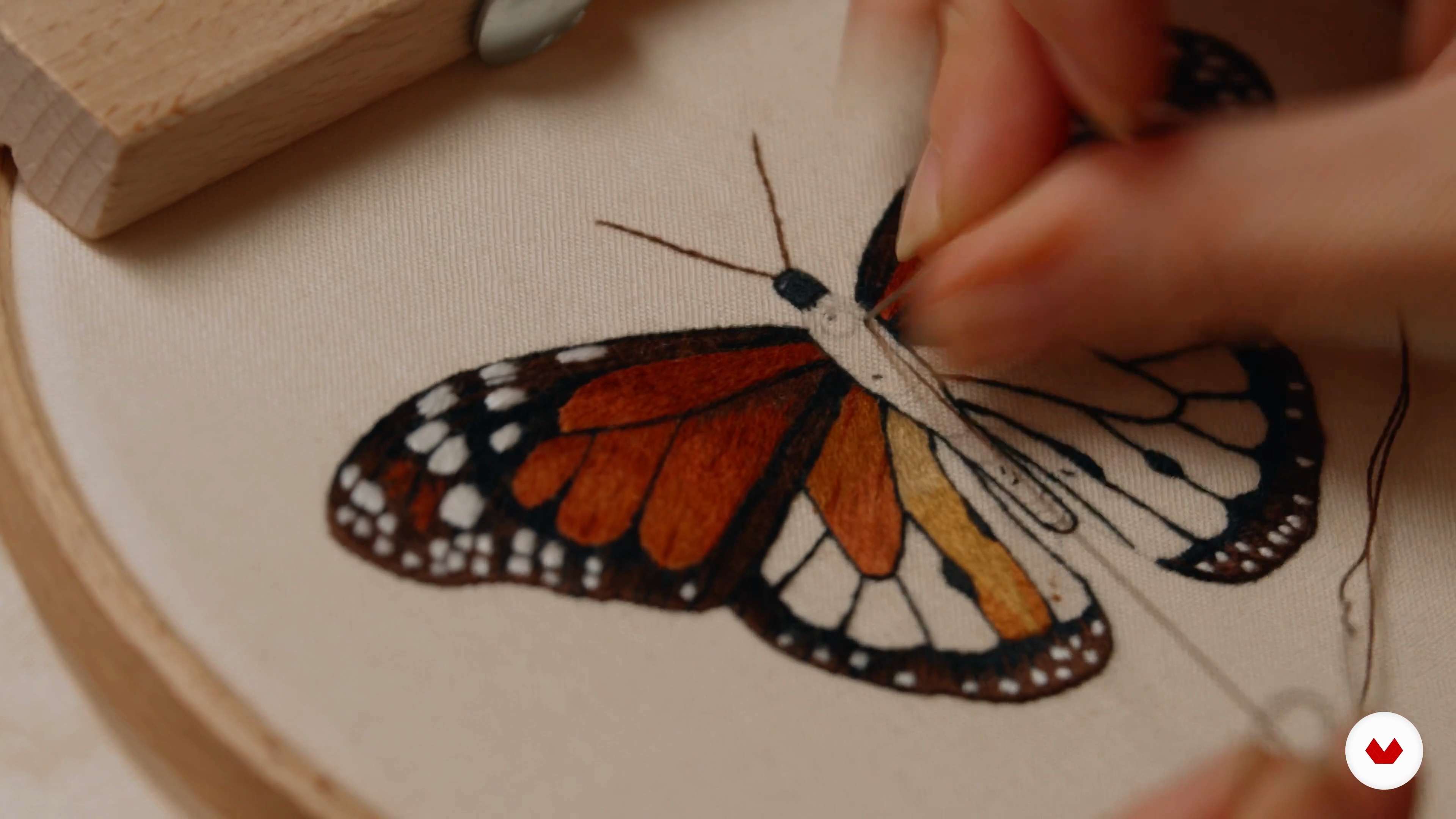
TOBOR guides us through the yellow wing sections, showing how to use tiny stitches around curves for smooth results and create contrast with darker shading near the butterfly's body. A key technique is going over the wing veins twice with black thread for depth and realism, making embroidery look like a painting!
13m
 9
9The Hindwings and the Body 3
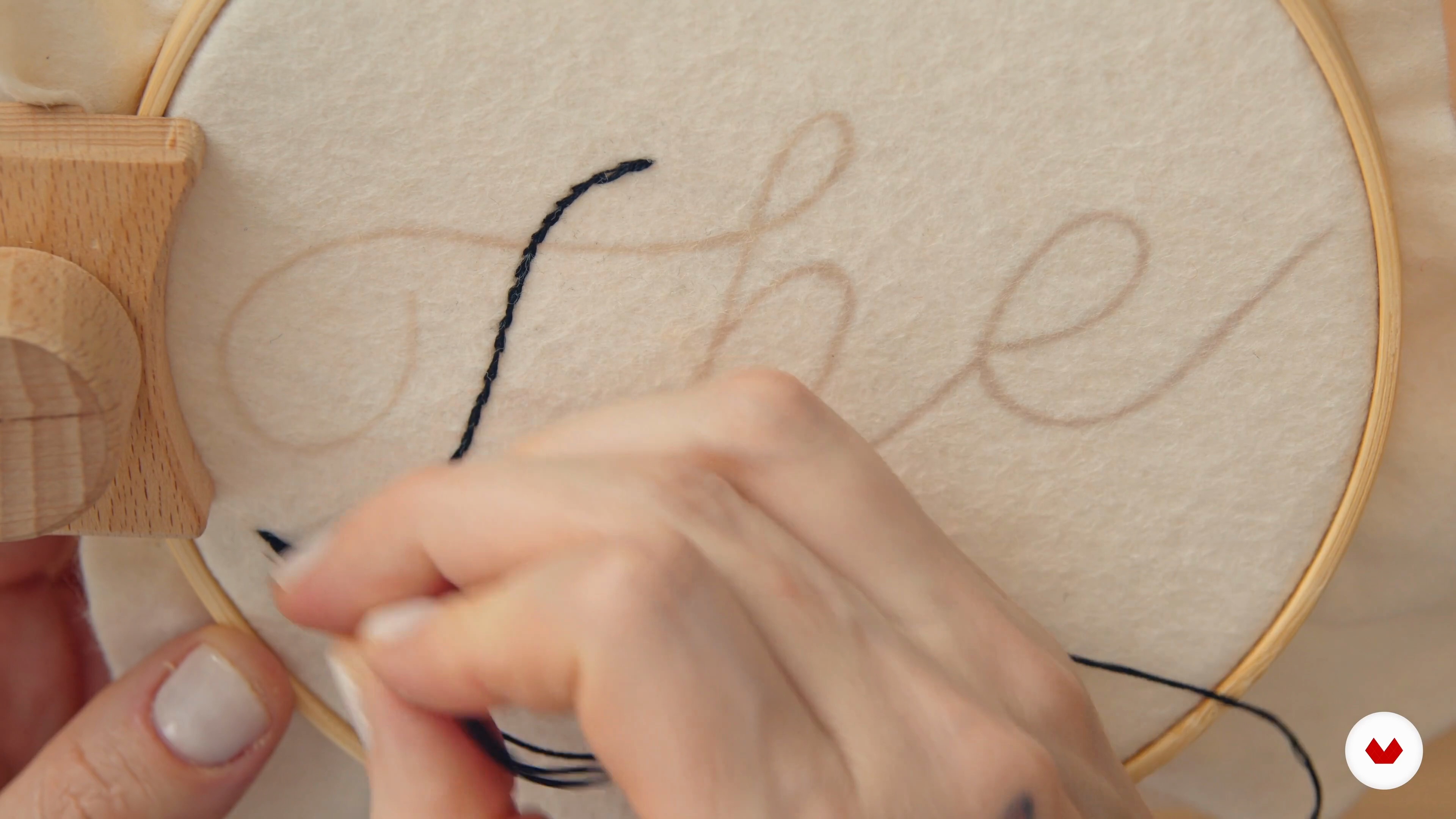
After the wings, Emillie Ferris guides us through the butterfly's body. She uses tiny split stitches for the head and antennae, carefully anchoring them for durability, then creates realistic eyes with unique horizontal stitching. Her blend of brown and black threads adds texture, while horizontal stitches on the lower body perfectly capture a butterfly's natural shape!
20m
 1
1Cursive Letters
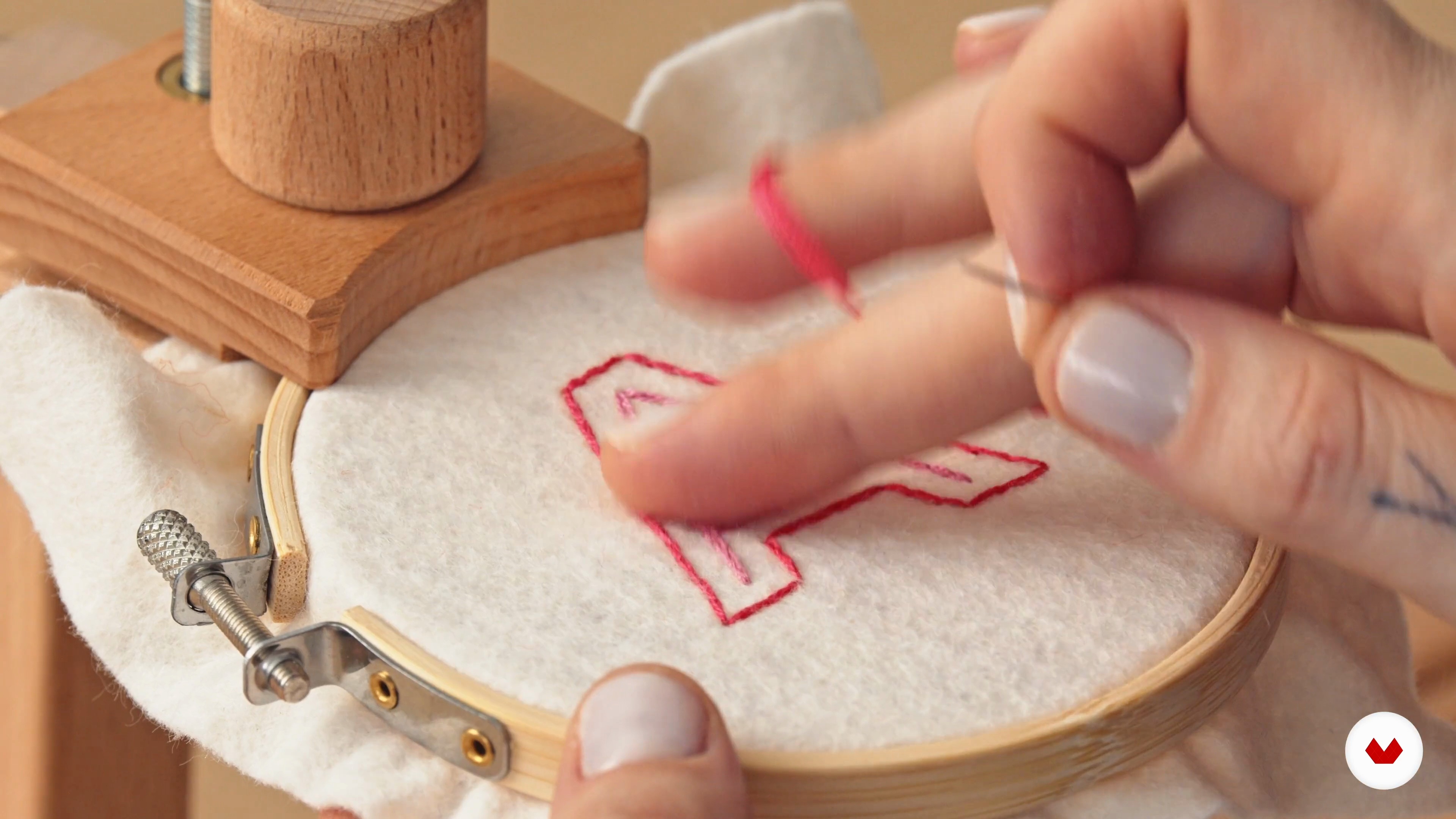
Sharing tips for embroidering on felt, Cristin Morgan starts with a clever paper backing trick to prevent sagging. Moving to the lettering work, she demonstrates a bold technique: starting with four-strand split stitching, following natural writing flow, then building thickness by adding parallel lines. This creates dramatic, overlapping letters that are perfect for patch-making! 🪡
9m
 2
2Block Letters
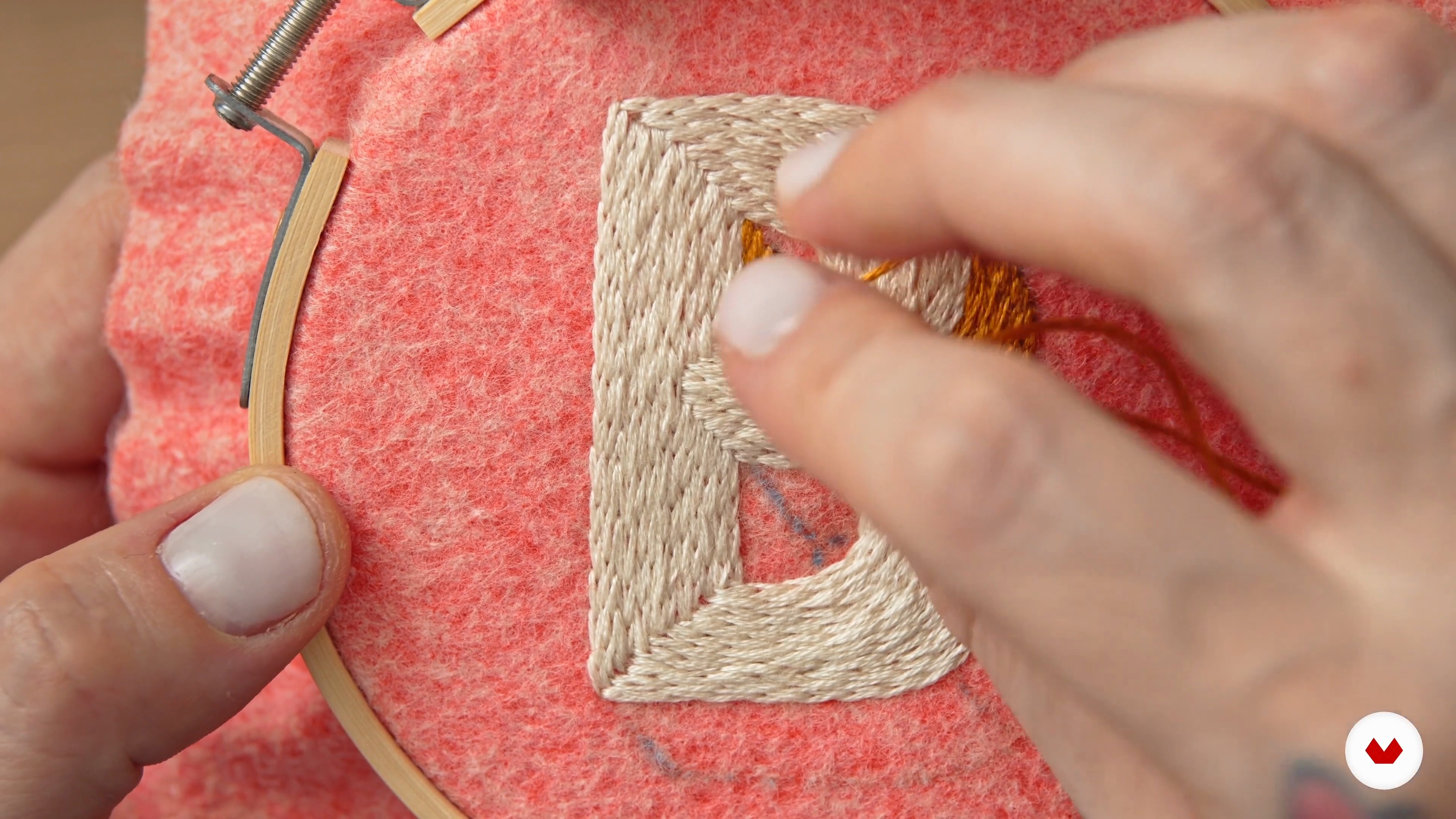
Following the first letters, Cristin Morgan breaks down the art of creating a perfect 'A'. She begins with a sharp three-strand outline, then fills with four-strand split stitching from outside inward, crafting beautiful beveled corners. Each precise stitch builds up to create a solid, textured letter that's both durable and eye-catching - perfect for patch-making! 🪡
12m
 3
3Add Dimensions And Details
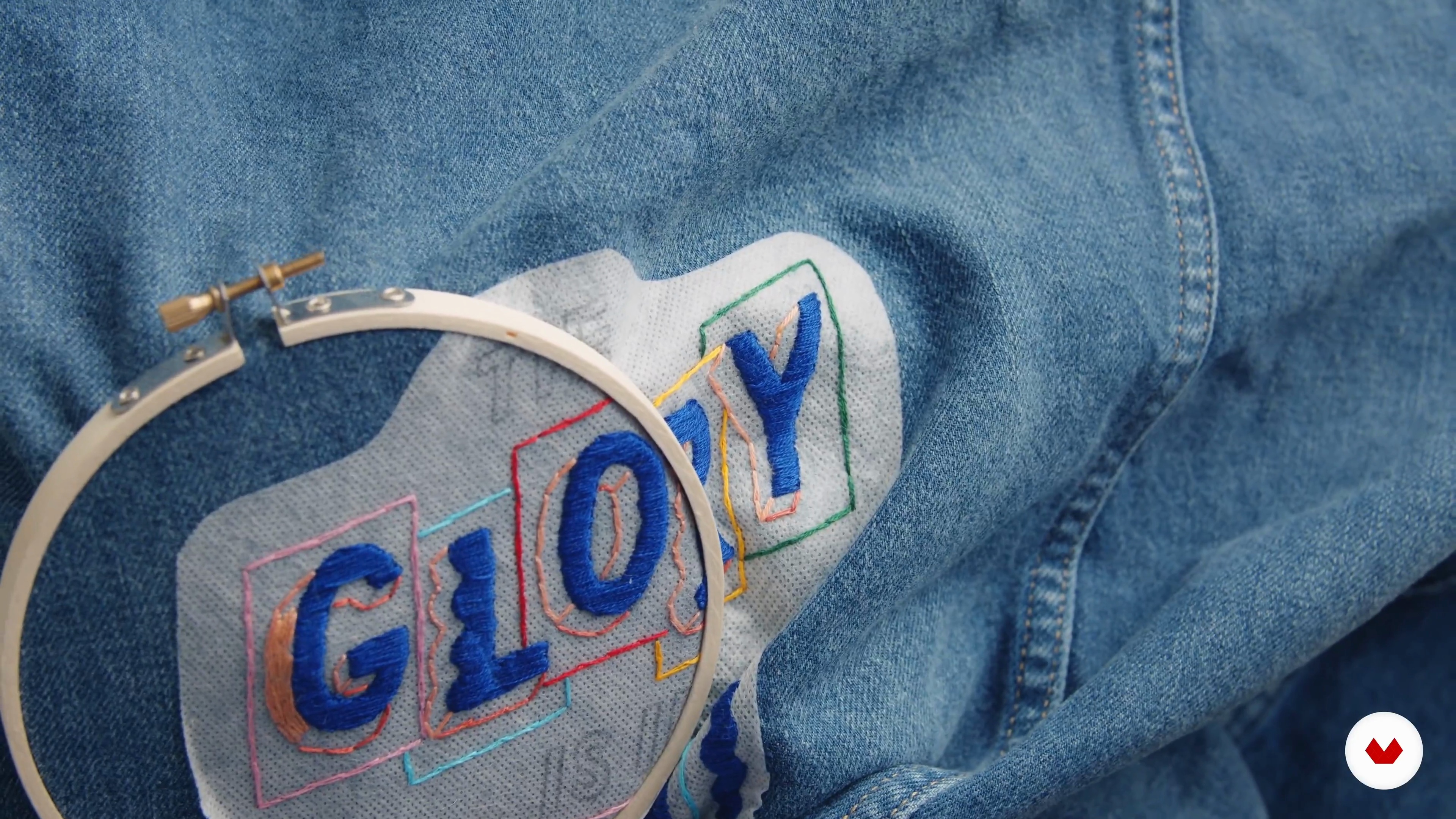
Moving to 3D effects, Cristin Morgan demonstrates how to transform a basic letter into one with depth. After filling the base 'B' with six-strand split stitching, she reveals her dimensional magic: using different stitch directions and contrasting colors to create visual planes. Vertical shadows get parallel lines, while horizontal ones feature bold coral thread - creating that perfect pop-up letter effect! 🪡
17m
 4
4Embroidering the Pattern
Join Ciara as he demonstrates advanced embroidery techniques like satin stitch fills, long and short stitches for drop shadows, and the intricate chain stitch. Along the way, he shares tips for managing thread thickness, fixing common mistakes, and achieving beautiful textures. This lesson will boost your confidence in tackling complex designs with precision and creativity.
16m
What is this course's project?
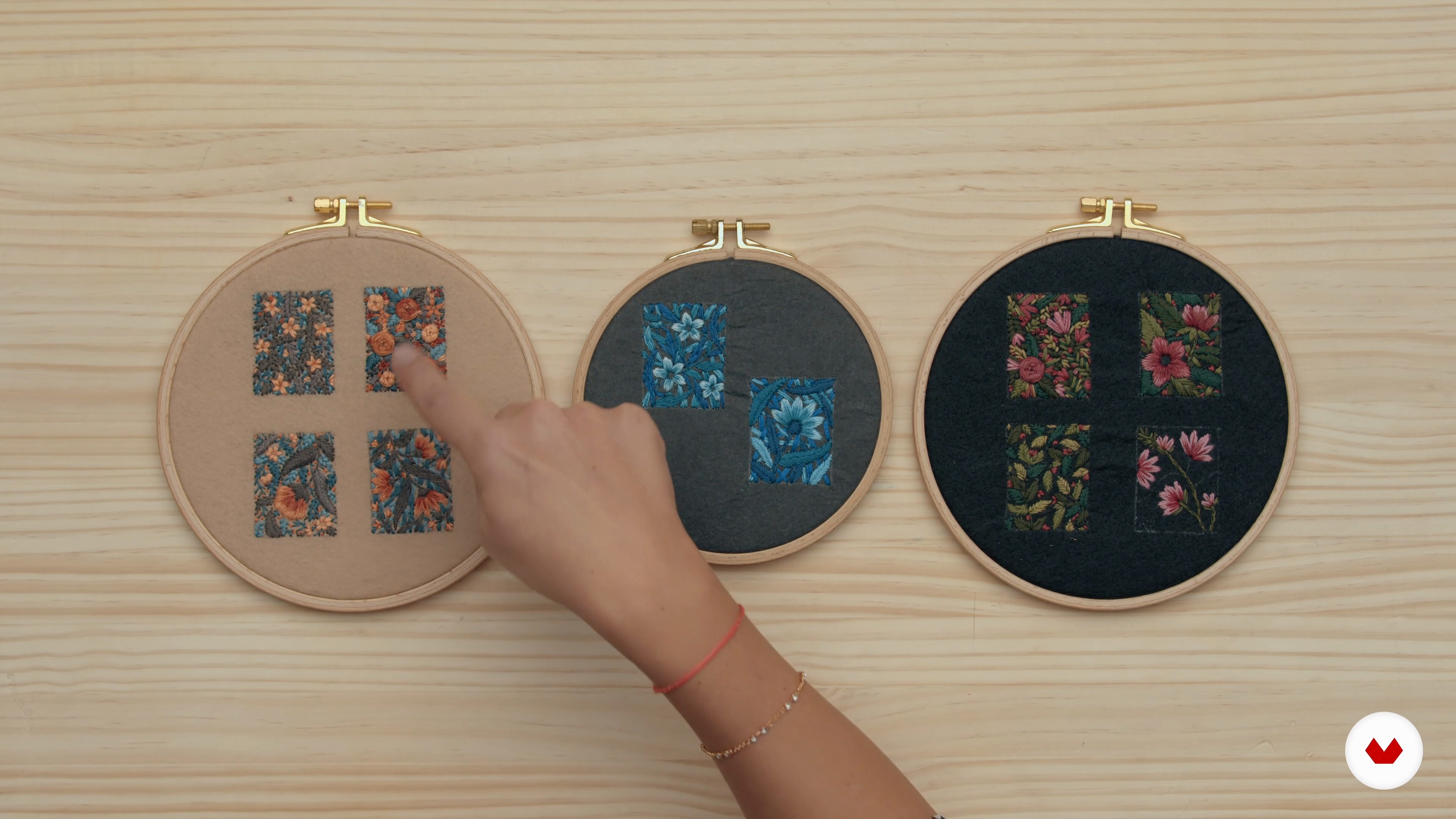
Create stunning embroidery artwork by mastering realistic techniques for portraits, pets, and wildlife. Explore color theory, thread selection, and design transfer while developing skills in lettering, floral patterns, and needle painting to bring vibrant and intricate pieces to life.
Projects by course students


Who is this specialization for?
Crafters eager to elevate their embroidery skills, hobbyists seeking creative expression through needlework, and artists wishing to explore vibrant textures and detailed stitching techniques will find this course an enriching resource. Ideal for those passionate about intricate designs and innovative embroidery methods.
Requirements and materials
No extensive prior knowledge is required. Basic necessities include a selection of embroidery floss, fabric, an embroidery hoop, needles, and scissors. Familiarity with basic stitches helps, though guidance is provided. A creative mindset enhances the experience.
Reviews
- 12 days ago
I like the course suitable for begginer
- 2 months ago
Excelente, me está gustando mucho, te lleva paso a paso.
- samm_uPLUS3 months ago
Muy buenas bases
- 4 months ago
Me encantó esta especialización, te permite ver diferentes formas y técnicas de bordado, genial.
- 6 months ago
Curso muy completo, se pueden realizar varios proyectos enfocados en hilo y en aprender la técnica prolija del dibujo con hilos, muy bonito con mucho material adicional.
Select to get to know your teachers in this specialization course


What to expect from this specialization course
Learn at your own pace
Enjoy learning from home without a set schedule and with an easy-to-follow method. You set your own pace.
Learn from the best professionals
Learn valuable methods and techniques explained by top experts in the creative sector.
Meet expert teachers
Each expert teaches what they do best, with clear guidelines, true passion, and professional insight in every lesson.
Certificates
PLUSIf you're a Plus member, get a custom certificate for every specialization course. Share it on your portfolio, social media, or wherever you like.
Get front-row seats
Videos of the highest quality, so you don't miss a single detail. With unlimited access, you can watch them as many times as you need to perfect your technique.
Share knowledge and ideas
Ask questions, request feedback, or offer solutions. Share your learning experience with other students in the community who are as passionate about creativity as you are.
Connect with a global creative community
The community is home to millions of people from around the world who are curious and passionate about exploring and expressing their creativity.
Watch professionally produced courses
Domestika curates its teacher roster and produces every course in-house to ensure a high-quality online learning experience.
FAQs
Yes, this embroidery course is designed for beginners. You’ll learn everything from selecting materials to mastering basic and advanced stitches, making it perfect if you are new to embroidery or want to refresh your skills.
You’ll need embroidery needles, thread, unbleached cotton muslin or felt, a wooden embroidery hoop, scissors, a thimble, and pattern transfer tools like pencils or markers. A list of recommended brands and types is provided in the course.
You’ll learn embroidery fundamentals, pattern design, traditional and painterly techniques, realistic gradients, nature-inspired motifs, William Morris style, and how to choose and use materials for home decor and portraits.
Yes, the course explains how to select suitable threads, like DMC stranded cotton and Gutermann, and choose the correct needle size and type for different fabrics and effects.
The course teaches thread painting and long and short stitch blending techniques to achieve smooth gradients, realistic fur details, and painterly effects in your embroidery.
Yes, you’ll explore nature-inspired embroidery and arts and crafts designs, including detailed instruction on William Morris style patterns and how to create your own nature-themed motifs.
Yes, the course covers various pattern transfer methods, including using pencils, vanishing markers, friction pens, and iron-on techniques for both cotton and felt fabrics.