Ceramic Wheel From Scratch: Shape Your First Cup or Vase
A course by Paula TapiaCeramist and designer
A course by Paula Tapia, Ceramist and designer
- 222 students
- 7 lessons (57m)
- 4 additional resources (2 files)
- Online and at your own pace
- Available on the app
- Audio: Spanish, German, French, Portuguese, English, Italian
- Spanish · English · Portuguese · German · French · Italian
Level:
Beginner- Unlimited access forever

Ceramic wheel from scratch to center clay, build walls, shape your first cup or vase with technique and calm
As is often the case in most disciplines, the potter's wheel becomes less intimidating once you learn to use it step by step. You'll discover how to center the clay, raise the walls of your piece, and become aware of your posture to avoid unnecessary tension. Each movement will be explained calmly and clearly to facilitate learning this technique, which could soon become a favorite pastime.
When you shape your first piece, whether it's a cup or a vase, you'll experience firsthand how clay reacts to pressure, gradually understanding when to correct a movement or when to maintain a steady hand. You'll have room to make mistakes as many times as necessary. The goal is for the potter's wheel to stop intimidating you and ultimately become an accessible and useful tool.
What will you learn in this online course?
7 lessons & 6 downloads
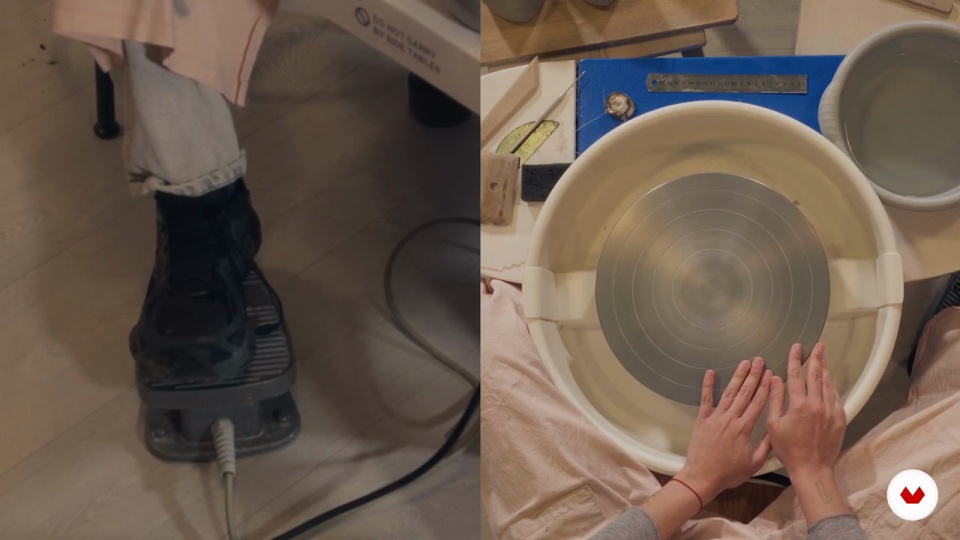
Materials and tools
4 minutes, 38 seconds
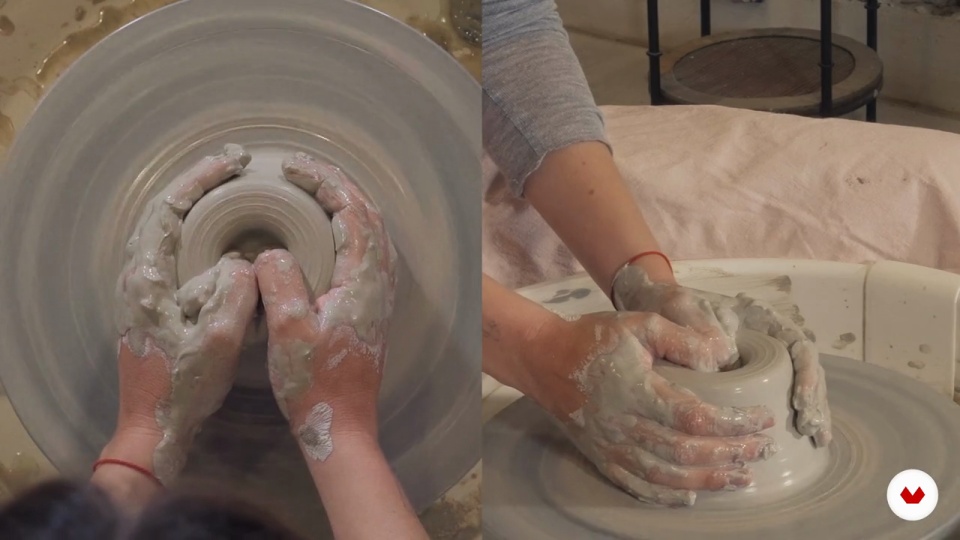
Clay preparation, positioning on the wheel and centering
23 minutes, 37 seconds
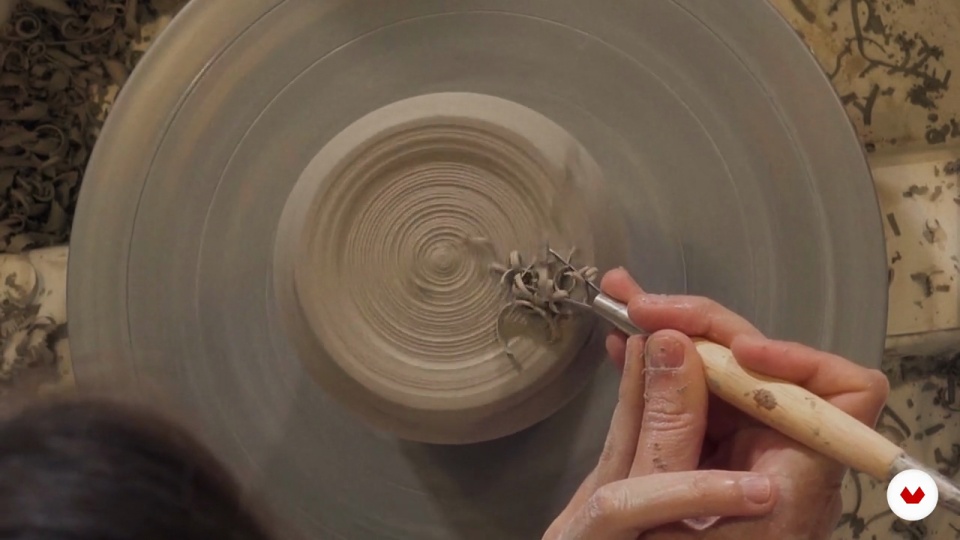
Returned: Refine and define the piece
14 minutes, 58 seconds
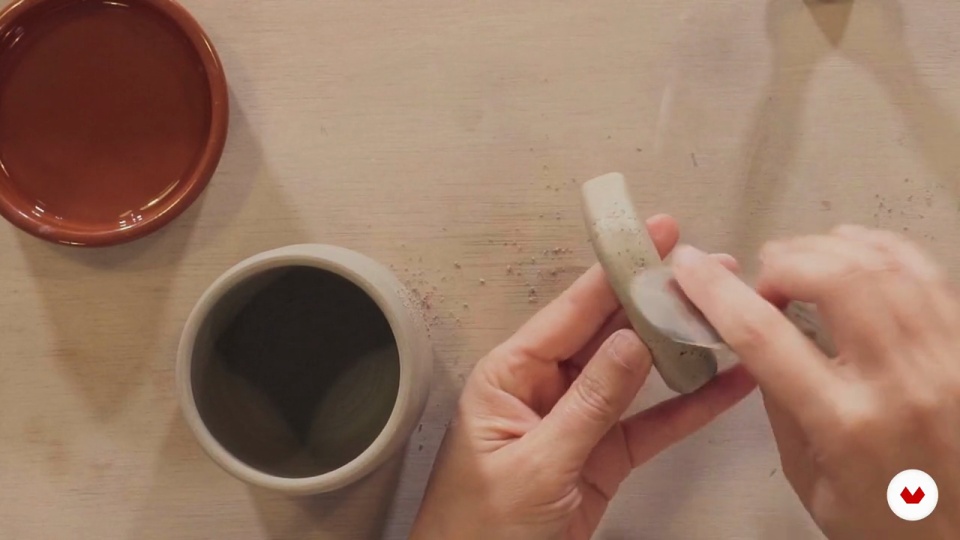
Add the handle
8 minutes, 58 seconds
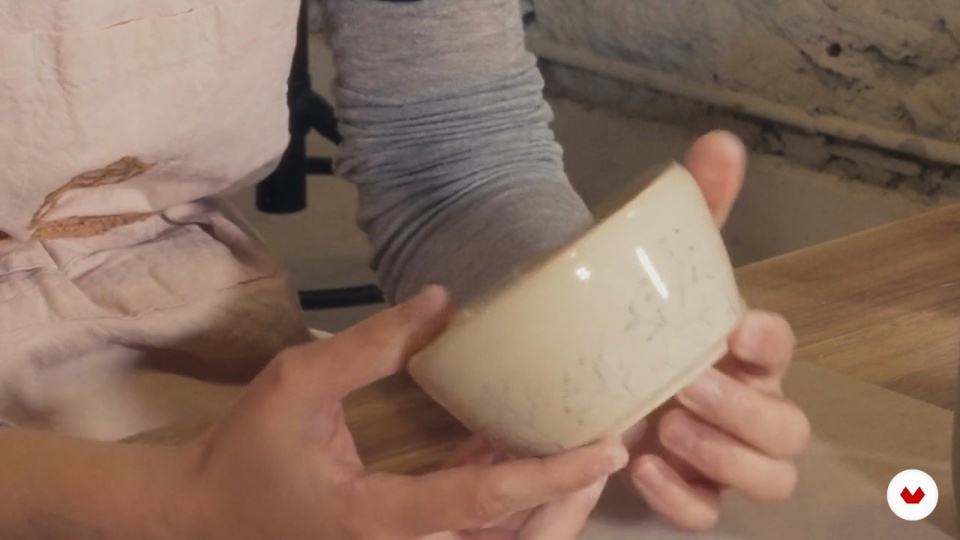
Final touches and preparation for the oven
2 minutes, 18 seconds
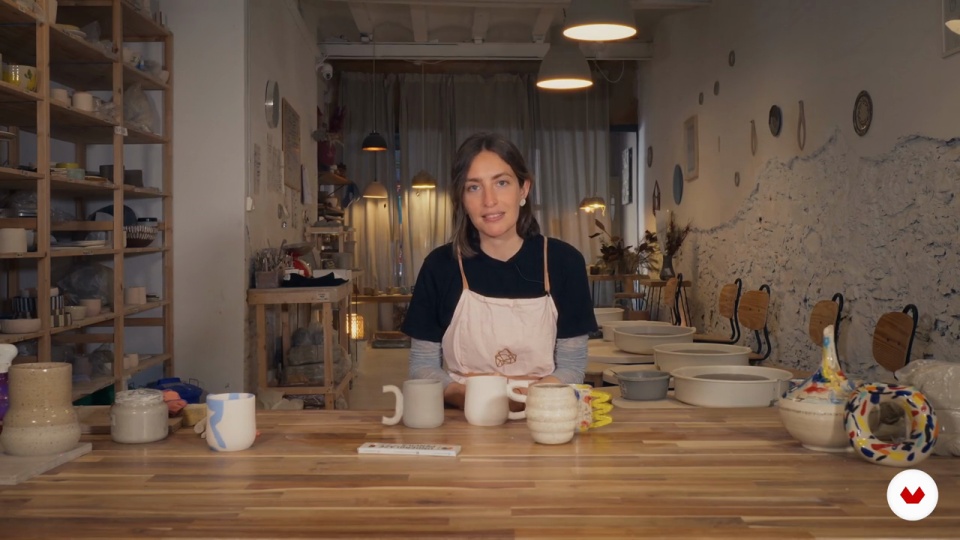
The finished collection
1 minute, 5 seconds
What's included in this course?
You'll learn to work the potter's wheel from scratch, developing a solid and stress-free foundation. First, you'll practice centering the clay on the wheel, then you'll discover how to apply the necessary pressure, raise the walls of your pieces, and adjust your posture for stability. You'll also observe how the clay behaves as it spins, when to correct, and when to stop.
You will develop the necessary technique to create a functional and balanced piece with your own hands and learn to detect common errors so you can continue practicing on your own with more confidence, independently.
What is this course's project?
You will model a first cup or vase on a ceramic wheel, which will help you understand the process from beginning to end so you can recreate it on your own as many times as you want.
Who is this online course for?
For anyone curious about the potter's wheel and how it works, without needing any prior experience, and who wants to overcome their fear of clay.
Requirements and materials
No prior experience is necessary. You will need a potter's wheel, clay, water, a sponge, cutting wire, a stable stand, a cloth, a slip container, and short nails. Ideally, you'll also need a clean workspace, good lighting, some patience, and comfortable clothing to work in.

Upon returning to Argentina, she began her path as a teacher and creator, and later settled in Barcelona, where she founded Tierra Cerámicas, a project that today operates as a creative studio and training space. Through her workshops, Paula guides students and artisans in learning ceramic techniques, fostering a close relationship with the material, the process, and experimentation.
Her work encompasses both the production of utilitarian pieces and decorative objects, as well as special projects for different spaces, always with a sensitive and honest view of ceramics as an everyday object. In her courses, Paula invites participants to discover the ceramic process as an open experience, where each piece is unique and learning arises from doing, practice, and constant curiosity.
Content
Ceramic Wheel From Scratch: Shape Your First Cup or Vase
- Presentation
- Materials and tools
- Clay preparation, positioning on the wheel and centering
- Returned: Refine and define the piece
- Add the handle
- Final touches and preparation for the oven
- The finished collection
- Final project
What to expect from a Domestika course
Learn at your own pace
Enjoy learning from home without a set schedule and with an easy-to-follow method. You set your own pace.
Learn from the best professionals
Learn valuable methods and techniques explained by top experts in the creative sector.
Meet expert teachers
Each expert teaches what they do best, with clear guidelines, true passion, and professional insight in every lesson.
Certificates
PLUSIf you're a Plus member, get a custom certificate signed by your teacher for every course. Share it on your portfolio, social media, or wherever you like.
Get front-row seats
Videos of the highest quality, so you don't miss a single detail. With unlimited access, you can watch them as many times as you need to perfect your technique.
Share knowledge and ideas
Ask questions, request feedback, or offer solutions. Share your learning experience with other students in the community who are as passionate about creativity as you are.
Connect with a global creative community
The community is home to millions of people from around the world who are curious and passionate about exploring and expressing their creativity.
Watch professionally produced courses
Domestika curates its teacher roster and produces every course in-house to ensure a high-quality online learning experience.
FAQs
Yes, this course is designed for beginners and requires no prior experience with ceramics or wheel throwing. You’ll learn all the basic steps from scratch to create your first piece.
You’ll need a pottery wheel, clay, water, a sponge, cutting wire, a sturdy stand, a cloth, a container for slip, and short nails. It’s best to have a clean, well-lit space and wear comfortable clothes.
You’ll learn how to center the clay on the wheel, raise and control the walls of your pieces, adjust your posture for better stability, and correct common mistakes, building a strong technical foundation.
By the end of the course, you’ll be able to throw cylindrical pieces like cups or vases, spot and fix frequent errors, and practice on your own with greater confidence.
You’ll learn kneading and clay preparation techniques to remove air bubbles, even out moisture, and improve plasticity, making it easier to center and shape on the wheel.
Body posture is crucial for working comfortably and efficiently at the wheel. The course teaches you how to position yourself to avoid strain and gain better control over the clay.
Ideally, you should have a clean, well-lit, and ventilated space, a stable stand for your wheel, and comfortable clothes you don’t mind getting dirty while working with clay.